
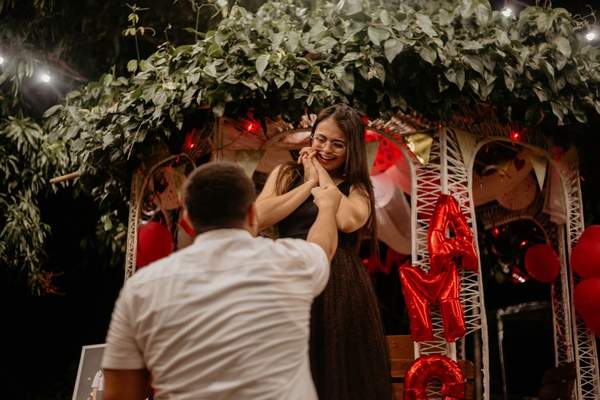
A proposal can feel wonderfully private right up to the moment a door opens and a roomful of family and friends begins cheering. That transition is what makes surprise engagement party proposal ideas so exciting, but it is also where most of the planning pressure lives. You are coordinating two emotional moments, two timelines, and a group of people who must keep the secret without making your partner suspicious.
The smoothest plans protect the intimacy of the proposal first. The celebration should feel like a joyful continuation, not a distraction waiting in the background. With careful timing, clear roles, and a believable cover story, a surprise proposal party can deliver both a meaningful “yes” and an unforgettable reveal.
Decide How Private the Proposal Should Be
Before choosing a venue or inviting guests, think about your partner’s personality. Some people would love instant applause after saying yes. Others may enjoy a quiet proposal followed by a family surprise, but feel uncomfortable knowing relatives watched or filmed every second.
Separate the proposal and party by at least a few minutes. This gives you time to talk, take a breath, admire the ring, and enjoy the moment before joining the group. You might propose in a garden before walking into a nearby house, or at a scenic spot followed by a short drive to a restaurant.
Choose a Location That Supports Two Moments
The easiest setup uses spaces that are close together but visually separate. A restaurant with a private dining room, a hotel with a terrace and event space, a family home near a park, or a rented cottage with indoor and outdoor areas can all work.
Walk through the exact route your partner will take. Check whether parked cars, voices, decorations, or catering equipment could reveal the plan. Ask where guests can wait and whether venue staff understand that nobody should appear before the proposal. A secret engagement party often depends on these small details.
Keep the Cover Story Simple
Your reason for being at the location should feel normal. A dinner reservation, anniversary outing, birthday plan, photo session, or casual family visit can work well. Avoid fake emergencies or complicated stories that may create stress.
Limit the cover story to one or two trusted helpers. The more people who must act naturally, remember details, and avoid suspicious messages, the greater the chance of an accidental reveal.
Build the Timeline Backwards
Start with the time you want to enter the party, then work backwards. Include travel, photographs, a private pause after the proposal, and a buffer of at least 15 minutes. Guests should arrive early enough that their cars, voices, or late entrances do not spoil the surprise.
For example, imagine a 5:30 p.m. proposal in a riverside garden and a proposal reveal party at a restaurant five minutes away. Guests arrive by 5:00, with doors closed by 5:15. The proposal happens around 5:30, followed by ten private minutes and a short walk. A coordinator receives a discreet message before the couple enters around 6:00. The buffer protects the plan if the speech or photographs take longer than expected.
Give Helpers Clear, Limited Roles
Choose one party coordinator who stays with the guests, one venue contact, and one person responsible for photographs or video. The proposer should not be handling last-minute questions moments before asking the question.
Guests usually need only the arrival time, exact entrance, parking instructions, dress guidance, and a firm reminder not to post online or contact the couple. Keep sensitive details within a small group so the family surprise is easier to protect.
Use Discreet Communication
Create a small group chat without your partner and agree on simple updates such as “leaving now,” “proposal complete,” and “two minutes away.” A shared location can help with timing, but only use it if it will not trigger a suspicious notification.
Have a backup method in case mobile service is poor. The photographer, driver, or venue staff can signal the coordinator. Keep the system quiet and simple.
Prepare for Delays and Changes
Your partner may take longer to get ready, suggest another route, invite someone along, or question an unusual reservation. Build flexibility into the plan rather than forcing the evening onto an exact script.
Choose a backup proposal spot and a delayed-entry plan. If rain affects an outdoor proposal, move to a covered terrace or private indoor area. If you arrive early, the coordinator can use a believable venue delay. If you arrive late, food and speeches should be able to wait.
Tell guests that the reveal time may shift. A surprise proposal party is not a theatre performance with a fixed curtain call. The emotional moment matters more than whether the schedule slips by 20 minutes.
Let the Couple Set the Pace After the Reveal
Once the room erupts, allow time for greetings before starting speeches, games, or formal photographs. Offer drinks and light food, but avoid a packed programme. The newly engaged couple may be excited, overwhelmed, hungry, or eager to call someone who could not attend.
Flowers, candles, shared photographs, and a simple backdrop can celebrate the relationship. Also plan transport home and a secure place for gifts and cards.
Mistakes That Commonly Spoil the Surprise
Do not invite people who cannot reliably keep a secret. Avoid shared calendars, family group chats, and parking directly outside the proposal location. Do not schedule the party so tightly that a small delay creates frustration. Most importantly, do not design the reveal around what looks impressive online if it conflicts with your partner’s comfort.
A thoughtful plan keeps the proposal personal, the party welcoming, and the logistics mostly invisible. This allows both moments to feel spontaneous despite careful coordination.
Frequently Asked Questions
How long should the gap be between the proposal and the party?
Ten to 30 minutes works well for many couples. It provides time to talk, take photographs, and settle into the moment without leaving guests waiting too long. Allow more time when travel is involved.
Should family watch the proposal?
Only when you are confident your partner would enjoy being observed. A private proposal followed by an immediate reveal is often safer because family can share the excitement without changing the intimacy of the question.
How can guests avoid spoiling a secret engagement party?
Send clear instructions about arrival, parking, social media, and communication. Ask guests not to call or message the couple on the day, and direct all questions to one coordinator.
What if the proposal is delayed?
Keep the coordinator updated through discreet messages, choose food that can be served later, and tell guests in advance that timing is flexible. A sensible buffer prevents a minor delay from becoming a problem.
Make the Transition Feel Effortless
The best surprise engagement party proposal ideas are built around emotional pacing rather than spectacle. Give the proposal room to breathe, keep the guest plan simple, and prepare for ordinary delays. With a trusted coordinator, a realistic timeline, and a location that supports both parts of the plan, the evening can move from a quiet question to a roomful of celebration without losing the meaning of either moment.