
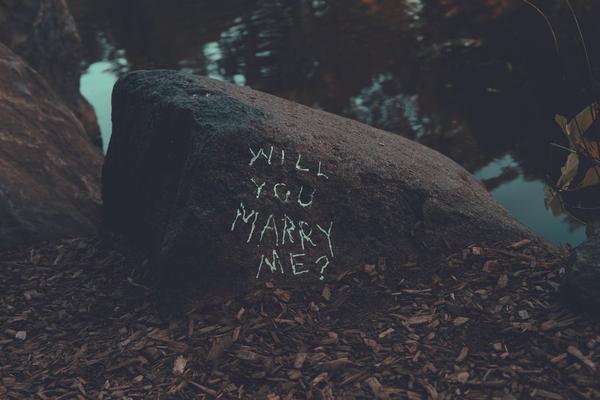
A scavenger hunt proposal turns a single question into a shared adventure. Instead of leading straight to the ring, you guide your partner through meaningful places, private jokes, favourite memories, and small surprises that build anticipation. The best hunts feel personal rather than complicated.
With thoughtful planning, a treasure hunt proposal can feel spontaneous to your partner while still being carefully controlled behind the scenes.
Step 1: Choose the Story Your Hunt Will Tell
Start by deciding what the journey represents. You might recreate your relationship in chronological order, revisit places connected to important milestones, or build the hunt around your partner’s favourite hobby. A clear theme keeps the clues connected.
For example, a couple who met at university could begin with a clue hidden inside an old textbook, continue to the café where they had their first date, and finish in the garden where they spent evenings talking. Each stop adds emotional meaning.
Keep the focus on your partner’s personality. A playful clue proposal may suit someone who loves competition and riddles, while a quieter partner may prefer handwritten notes, photographs, and simple directions.
Step 2: Pick the Final Proposal Location First
Plan backward from the place where you will propose. The final location affects the timing, route, transport, lighting, privacy, weather backup, and involvement of helpers.
Good options include your home decorated with photographs, a favourite park, a private dining space, a family garden, a scenic viewpoint, or the place where you first said “I love you.” Check opening hours, accessibility, noise levels, and whether permission is required. For outdoor plans, create an indoor backup so weather does not derail your surprise proposal plan.
Step 3: Create a Manageable Route
Most successful hunts use four to seven clues. Try to keep the full journey between 30 and 90 minutes unless travel itself is part of the story.
Map every stop in order and complete the route yourself. Check walking distances, driving time, mobile reception, traffic, and possible delays. Avoid unfamiliar areas or places where a clue could be removed. If locations are far apart, begin with clues at home, send one clue by text during the journey, and reserve the final stops for the proposal venue.
Step 4: Write Personal but Solvable Clues
Each clue should point clearly to one answer. Personal references make the hunt memorable, but clues that are too obscure can create frustration. A useful formula is memory plus identifying detail plus gentle direction.
For example: “Where cinnamon coffee warmed our hands on our first rainy date, ask for the envelope waiting near our usual corner.” It feels intimate while giving clear direction.
You can vary the format with short riddles, photo fragments, numbered envelopes, voice notes, a simple crossword, or objects connected to shared memories. A puzzle proposal should remain enjoyable rather than becoming an intelligence test. Include an emergency hint or give a helper permission to guide your partner.
Step 5: Add Emotional Moments Along the Way
The hunt should build feeling as well as curiosity. At each stop, include a short note explaining why that memory matters. You could add a printed photograph, a favourite sweet, a flower, a ticket stub, or a brief message from someone important to you both.
A strong sequence gradually becomes more emotional. Early clues can be light and funny, middle clues can highlight shared milestones, and the final clue can express what you hope to build together. Related inspiration may include romantic proposal ideas, meaningful ways to propose at home, and proposal photography tips.
Step 6: Give Helpers Clear Responsibilities
Helpers can place clues, guard envelopes, take photographs, manage transport, or prepare the final location. Give each person one responsibility and a written timeline.
Choose people who are reliable and discreet. Create a group chat without your partner, confirm arrival times, and ask everyone to keep their phones charged. Share only the information each person needs.
Step 7: Protect the Ring and the Surprise
Do not hide the ring at an unattended clue location. Keep it with you or give it to one trusted person at the final stop. Outdoor hiding places, restaurant counters, and public benches create unnecessary risk.
Consider what your partner will be wearing and doing before the hunt begins. A simple invitation to lunch, a walk, or a casual celebration usually feels natural. Make sure they have enough time and are dressed appropriately for the route and final setting.
Step 8: Rehearse the Entire Experience
Run through the hunt at the same time of day you plan to use it. Read every clue aloud, test QR codes or audio files, and confirm that envelopes are easy to find. Time the route with realistic pauses.
Prepare a small kit containing tape, spare printed clues, a portable charger, tissues, water, and contact details for every helper. Keep digital copies of all clues so one missing envelope does not stop the experience.
Step 9: Keep the Final Moment Sincere
When your partner reaches the last location, allow a moment for them to take it in. Refer to memories from the hunt, explain what your relationship means to you, and ask the question clearly. A few sincere sentences usually feel more powerful than a long memorised speech.
Decide whether photographs, family members, music, or a celebration will follow. Match these details to your partner’s comfort level. Someone private may prefer a quiet proposal followed by dinner, while someone social may enjoy finding loved ones waiting nearby afterward.
Frequently Asked Questions
How many clues should a scavenger hunt proposal include?
Four to seven clues work well for most couples. Use fewer if the route involves travel and more only when each stop adds genuine meaning.
Should the hunt happen at home or across several locations?
Both can work. A home-based hunt offers privacy and control, while multiple locations create a stronger sense of adventure. Choose the format that suits your partner and available time.
What if my partner cannot solve a clue?
Add a simple hint to each envelope, arrange for a helper to step in, or send a timed text. The goal is connection and excitement, not difficulty.
Can I plan it without involving friends or family?
Yes. You can place secure clues yourself, use scheduled messages, and keep the ring with you. A two-person hunt often feels especially intimate.
Make the Journey Feel Like Your Relationship
The most memorable scavenger hunt proposal ideas are not necessarily the most elaborate. They succeed because the clues sound like the couple, the route carries emotional meaning, and the final moment feels comfortable rather than staged. Build the experience around memories your partner will recognise, test every practical detail, and leave enough flexibility to enjoy unexpected moments. When the hunt reflects the life you have already created together, the final question becomes a natural beginning to what comes next.