
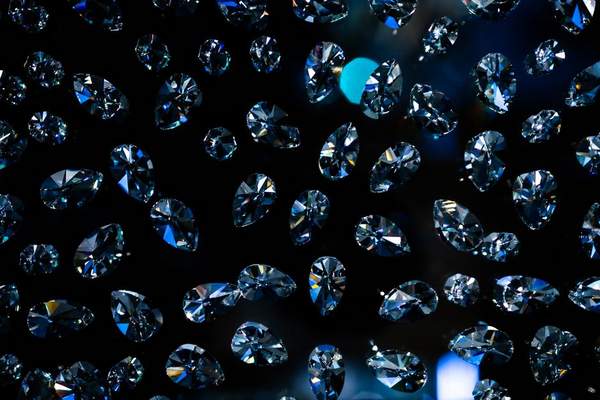
Shopping for an engagement-ring diamond gets much easier once you understand the 4 Cs. Cut, color, clarity and carat weight are the standard quality factors used to describe a diamond, giving buyers a shared vocabulary for comparing stones that may look similar. They do not tell the whole story, but they explain much of why one diamond looks or costs different from another.
The goal is not to chase the highest grade in every category. A balanced diamond can look beautiful while costing far less than a stone with premium grades that are difficult to appreciate without magnification. Learning the diamond buying basics helps you decide where a higher grade matters visually and where you may mainly be paying for rarity.
Why the 4 Cs matter when comparing diamonds
The four diamond quality factors work together. A larger diamond can appear less lively if the cut is poor. A diamond with very high clarity may not look noticeably different from a slightly lower-clarity stone once both are viewed with the naked eye. Color is graded on a scale, but the setting metal, diamond shape and lighting can influence how much warmth you notice.
That is why diamond value is usually about balance rather than perfection. Compare diamond cut, color, clarity and carat as a group, then decide which characteristics matter most to your eye and budget.
1. Cut: the factor that drives sparkle
Cut describes how well a diamond’s proportions, symmetry and polish allow it to interact with light. It is not the same as shape. Round, oval, pear and emerald are shapes; cut quality refers to how effectively the finished stone handles light.
For many engagement-ring buyers, cut is the first place to protect the budget. A well-cut diamond can appear brighter, livelier and even larger than a heavier stone with weaker proportions. GIA provides an overall cut grade for standard round brilliant diamonds. Fancy shapes are more complex, so videos, measurements and visual inspection can be especially useful.
For example, if you are choosing between a 1.00-carat round diamond with excellent light performance and a 1.10-carat diamond that looks dull through the center, the smaller stone may deliver more visible beauty. Carat weight sounds impressive on paper, but sparkle is what you notice every day.
2. Color: how much warmth the diamond shows
Diamond color grading for most white diamonds measures the absence of noticeable body color. On the widely used GIA scale, D is colorless, followed by progressively warmer grades through Z. Differences between neighboring grades can be subtle, especially once a diamond is mounted.
Many buyers find good value below the highest color grades. A near-colorless diamond can still face up bright and white, depending on its shape, size and setting. Round brilliant cuts often hide some warmth better than step-cut shapes such as emerald or Asscher cuts, where broad facets can make body color easier to see.
Setting metal matters too. A slightly warmer diamond may blend beautifully with yellow or rose gold, while platinum or white gold can make color differences easier to notice. An engagement ring metals guide is a useful internal next step when weighing this trade-off.
3. Clarity: understanding inclusions and blemishes
Clarity evaluates internal characteristics called inclusions and surface characteristics called blemishes. Grades range from Flawless and Internally Flawless through Very Very Slightly Included, Very Slightly Included, Slightly Included and Included categories.
For shoppers, the most useful concept is often whether a diamond is eye-clean. An eye-clean stone has no inclusions that are visible to the naked eye under normal viewing conditions. Two diamonds with different clarity grades can look equally clean without magnification, so paying for a much higher grade does not always improve everyday appearance.
Location matters as well. A small inclusion near the edge may be less distracting and can sometimes be covered by a prong, while a dark inclusion under the table may be easier to notice. Review enlarged images or video, but remember that magnification makes tiny features look much more dramatic than they will on the hand.
4. Carat: weight, not visible size
Carat measures diamond weight, with one carat equal to 200 milligrams. It does not directly measure face-up dimensions. Two diamonds of the same carat weight can look different in size because their proportions and shapes distribute weight differently.
This matters around popular milestone weights such as 1.00, 1.50 or 2.00 carats, where prices can increase noticeably. A diamond just below a milestone may offer similar visual presence for less. Comparing millimeter measurements as well as carat weight can reveal better value.
Shape also changes perceived size. Ovals, pears and marquises often spread their weight across a longer outline, while deeper stones may carry more weight below the surface. A diamond shapes guide can help you compare visual spread before focusing on carat alone.
How to prioritize the 4 Cs for your budget
A practical starting strategy is to prioritize cut, then choose color and clarity grades that look good to you rather than automatically buying the highest available. After that, adjust carat weight to fit the remaining budget. Personal preferences vary, but this approach can prevent overspending on characteristics with little visible impact.
A shopper who values sparkle might choose excellent cut, a near-colorless grade, eye-clean clarity and a slightly lower carat weight. Someone who values visible size may accept a little more warmth for a larger face-up appearance. A ring budget guide can help you decide how much of the total spend should go to the center stone versus the setting.
FAQ about the 4 Cs of diamonds
Which of the 4 Cs is most important?
Cut is often the most visually important because it strongly affects brilliance and sparkle. The best overall balance still depends on the diamond shape, setting and your preferences.
Do I need a flawless diamond for an engagement ring?
No. Many diamonds below Flawless clarity appear completely clean to the naked eye. An eye-clean diamond can offer excellent beauty and better value than a much higher-clarity stone.
Is a higher carat diamond always better?
No. Carat measures weight, not beauty. A smaller diamond with strong cut quality can look more attractive than a heavier diamond with poor proportions or weak light performance.
Can I save money by choosing a lower color grade?
Often, yes. Many near-colorless diamonds look very white once set, especially in shapes that mask warmth well. Compare stones in realistic viewing conditions rather than relying only on the letter grade.
Choosing a diamond with confidence
Understanding the 4 Cs gives you a practical framework for comparing diamonds without getting lost in grading reports or sales language. The smartest engagement-ring purchase is rarely the stone with the highest grades across every category. It is the diamond that balances cut, color, clarity and carat in a way that looks beautiful to you, suits the setting and fits the budget.
Use the grades to narrow the field, then judge the actual diamond. Look at how it performs in normal lighting, compare measurements, review inclusions and consider how the stone will look in its final setting. Combining technical information with real-world appearance is where strong diamond value is usually found.