
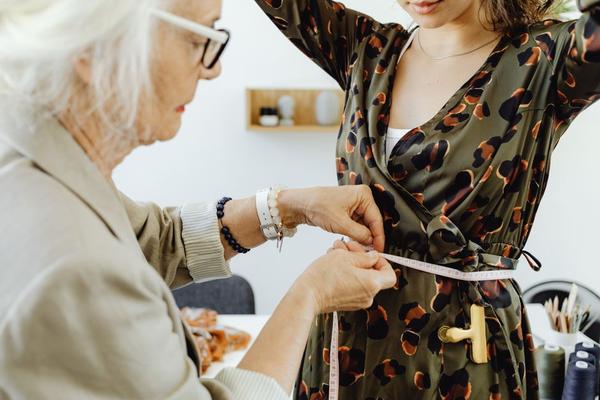
Your wedding dress may arrive months before the ceremony, but the fit you love in the boutique is rarely the final fit. Hemming, shaping, and arranging the train all take time, especially when a seamstress needs to see how the gown moves between adjustments. A thoughtful wedding dress alterations timeline protects that time without forcing every fitting into the last few days.
For many brides, the workable starting point is eight to twelve weeks before the wedding. The exact bridal alterations schedule depends on the dress, the work involved, and your seamstress’s availability, so treat the dates below as a planning framework rather than a guarantee.
Wedding Dress Fitting Timeline at a Glance
A typical plan includes a first fitting at eight to twelve weeks, a follow-up around four to six weeks, and a final dress fitting roughly one to two weeks before the ceremony. Pickup may be a separate appointment. Simple alterations can need fewer visits; intricate construction or design changes can require more.
Eight to Twelve Weeks Out: The First Pinning
Wear the gown with your wedding shoes and intended undergarments. The seamstress will assess the bodice, waist, hips, straps, and hem, then pin the areas that need work. Explain how you want to sit, walk, and dance, not just how the dress should look in photographs.
This is the moment to discuss significant changes, such as reshaping a neckline, adding sleeves, or altering a heavily beaded bodice. Ask which requests are practical, what they cost, and whether they add fitting appointments. Before leaving, agree on the next visit.
Four to Six Weeks Out: Check the Major Changes
At the second fitting, review the adjusted silhouette and any remaining tight or loose areas. Some gowns will be temporarily stitched rather than fully finished, so don’t panic if every seam is not yet perfect. Check your walking stride and whether the bodice stays secure when you raise your arms.
If your gown has a train, this is often when the bustle placement is confirmed or refined. Arrange for the person helping with your bustle on the wedding day to attend a later appointment.
One to Two Weeks Out: The Final Dress Fitting
Try on the complete outfit, including shoes and the undergarments you will actually wear. Move through a short rehearsal: sit, stand, turn, take several steps, and lift your arms. Check that the hem clears the floor appropriately for your shoes and venue, and that fastenings feel secure without digging in.
If something feels wrong, speak up before the gown is finished. The final fitting is a quality check, not an appointment to silently accept an uncomfortable fit.
Final Pickup: Leave Room for a Last Check
Confirm whether steaming, pressing, and packaging are included, and ask when the dress will be ready. If pickup is separate from the final fitting, keep it on your calendar rather than assuming you can collect the gown immediately. Inspect the dress and confirm how to carry, hang, and store it before the ceremony.
Book Your Seamstress Before the Dress Arrives
The bridal seamstress timeline starts with a booking, not a pin. Contact an alterations specialist well in advance, particularly during busy wedding seasons. Share your wedding date, the gown’s expected arrival date, and photographs showing its fabric, train, and construction. Ask whether the shop can accommodate your timeline and how many fittings are anticipated.
What to Bring to Every Fitting
Consistency matters. A hem pinned while wearing low heels may look completely different with taller shoes, and changing shapewear can alter the bodice fit. Bring the actual items you’ll wear whenever possible.
Pack your wedding shoes, bra or cups if applicable, shapewear, and any belt or accessory that affects the gown’s shape. Bring hair accessories or a veil when their placement needs checking. For an overview of how footwear affects gown length, a wedding shoe height guide is a useful companion to your fitting plan.
Which Alterations Need the Most Time?
Not all adjustments belong at the same stage. Taking in side seams or adjusting straps may be straightforward on one dress but complicated on another with lace, boning, or embroidery. Hemming layered skirts takes careful measuring, while moving appliqués can involve additional handwork. Bustles also need testing because the train must stay supported when you move.
Ask your seamstress to separate essential fit work from optional styling changes. A wedding dress bustle styles guide can help you describe the look you prefer, but the best design still depends on the gown’s weight and construction. Decide on complex changes early enough to allow another fitting if necessary.
Build a Buffer for Real-Life Changes
Try to avoid scheduling the first appointment at the last possible moment. Delivery delays, work travel, a changed shoe choice, or a seam that needs revisiting can interrupt an otherwise sensible wedding dress fitting timeline. Ask your alterations shop about its turnaround times, rush fees, cancellation policy, and how it handles unexpected fit changes.
A Practical Example: Working Backward From Saturday
Imagine a Saturday wedding in early June. You book your specialist while the dress is still on order, attend the first fitting in mid-March, return in late April to review shaping and bustle placement, and schedule the last fitting in the second half of May. You then collect the finished dress with several days to spare. Exact dates will depend on the shop’s workflow, but the key is reserving the appointments before your calendar fills.
Frequently Asked Questions
How many fittings does a wedding dress usually need?
Two or three fittings are common, and many bridal shops plan for roughly three. A simple hem might require fewer visits; extensive customization, delicate beading, or fit revisions may add appointments. Your seamstress should estimate the schedule after examining the actual gown.
Is six weeks enough time for wedding dress alterations?
Sometimes. Six weeks may be workable for limited adjustments if an experienced seamstress has availability, but it is tighter than the usual eight-to-twelve-week starting window. Call immediately, explain the required work, and ask for a realistic completion date rather than assuming a rush service is guaranteed.
When should I have my final wedding dress fitting?
Many brides schedule it about one to two weeks before the wedding, leaving time for small corrections and a separate pickup. The right date depends on the atelier’s process, travel plans, and how stable the gown’s fit is.
Should someone come with me to learn the bustle?
Yes, if your dress has a bustle. Invite the person who will fasten it on the wedding day to a fitting where the seamstress can demonstrate each loop, hook, or tie. With permission, record a quick demonstration so nobody has to guess later.
Make the Schedule Work for Your Dress
The best alterations plan is not the one with the fewest visits. It is the one that leaves enough space for careful fitting, necessary revisions, and a calm pickup. Start conversations early, keep shoes and undergarments consistent, and reserve time for a final movement check. You’ll be able to enjoy the dress rather than spend your wedding morning worrying about it.