
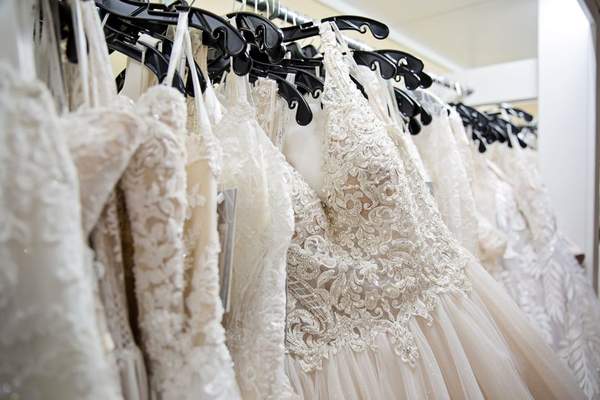
Shopping for a wedding dress can feel intense. There are unfamiliar silhouettes, bridal sizing, opinions from other people, and a deadline tied to a major day. The easiest way to make bridal gown shopping manageable is to treat it as a series of small decisions instead of one dramatic search for “the perfect dress.”
A practical plan gives you room to explore without getting lost in endless options. Start with your budget and wedding details, learn what you like, then use appointments to compare how gowns actually look and feel on your body. The goal is to choose a dress that fits your celebration, comfort level, and sense of self.
Start With the Wedding, Not the Dress
Before saving hundreds of gown photos, think about the setting. A summer beach ceremony creates different needs from a winter ballroom wedding. Venue, season, formality, ceremony style, and expected weather can all influence whether a gown feels appropriate and comfortable.
You do not need every detail finalized. A structured satin gown may suit a formal evening celebration, while a lighter fabric or simpler shape may feel easier outdoors. Use your wedding as a filter, not a rulebook.
Set a Realistic Total Budget
One of the most useful wedding dress shopping tips is to separate the gown price from the total cost of the finished look. Your budget may also need to cover alterations, shoes, undergarments, a veil or headpiece, jewelry, and possible delivery or rush fees.
Decide on a comfortable maximum before your first bridal appointment and tell the stylist clearly. Avoid trying on gowns far above that amount unless you are genuinely willing to increase the budget. Falling for a dress you cannot comfortably buy can make realistic options feel disappointing afterward.
Research Styles Without Locking Yourself In
Learn basic silhouette terms such as A-line, ball gown, sheath, fit-and-flare, and mermaid. Save a small collection of dresses you like and look for patterns in necklines, fabrics, sleeves, skirts, or embellishment.
Do not assume those photos have already decided the answer. Fabric weight, internal structure, waist placement, and proportions can change how a style feels once you put it on. Treat your inspiration folder as a conversation starter for the stylist.
Book Appointments With Enough Time
Many made-to-order gowns require months for production, shipping, and alterations. Some major bridal boutiques recommend ordering roughly nine to twelve months before the wedding, although timing varies by designer, store, customization, and whether you buy off the rack. If your wedding is sooner, ask specifically about in-stock gowns, samples, ready-to-wear dresses, and rush availability.
For your first bridal appointment, choose one or two stores that match your budget and style rather than creating a full-day marathon. Too many gowns in one day can make useful comparison much harder.
Bring Supportive People and an Open Mind
A small group is often more helpful than a crowd. Bring people who understand your taste, respect your budget, and can give an opinion without turning the appointment into their own shopping experience.
Wear simple undergarments that make changing easy, and bring shoes with a similar heel height to what you expect to wear if you have them. More importantly, be willing to try a stylist’s suggestion. A gown that looks ordinary on the hanger can work beautifully because of its proportion and construction.
Compare Dresses by More Than Appearance
Choosing a wedding dress becomes easier when you ask the same questions about every serious contender. Can you walk and sit comfortably? Do you like the neckline close up? Does the train suit the venue? Are you excited by the dress itself, or mainly by the reaction it received?
Imagine you love two gowns equally in photos. Dress A has dramatic beading but feels heavy after ten minutes. Dress B is simpler, stays comfortable, and does not need constant adjusting. If your wedding includes a long ceremony and hours of dancing, that comfort difference may matter more than extra embellishment.
Do Not Wait for a Movie Moment
You do not have to cry or instantly declare that you have found “the one.” Some people feel immediate certainty; others make a calm decision after comparing a few strong options. Both approaches are valid.
If the boutique allows photos, capture the front, side, and back of your favorites. Ask about the ordering process, payment schedule, expected arrival, alteration options, cancellation policy, and timing. Before paying a deposit, make sure the written details match what you were told.
Plan for Alterations Before You Buy
Even a gown ordered to your measurements may need tailoring. Hemming, bodice adjustments, straps, sleeves, and bustling can affect both fit and final cost. Ask whether alterations are performed in-house or by an independent seamstress and how appointments are scheduled.
For fittings, bring the shoes and undergarments you plan to wear because they can affect hem length and fit. Alteration timelines vary, so follow the schedule provided by your boutique or seamstress rather than assuming one universal deadline.
Keep the Next Steps Organized
After ordering, keep your receipt, designer and style details, expected arrival date, fitting dates, and accessory notes together. Related guides on wedding dress alterations, choosing bridal shoes, and wedding veil styles are useful internal resources to review once the gown is selected.
Frequently Asked Questions
How early should I start shopping for a wedding dress?
If you want a made-to-order gown, starting around a year before the wedding gives you useful breathing room. Many boutiques recommend ordering nine to twelve months ahead. Shorter timelines can still work with off-the-rack, sample, ready-to-wear, or rush-order options.
How many wedding dresses should I try on?
There is no ideal number. Try enough gowns to understand what shapes and details suit you, but stop when additional dresses create confusion rather than useful comparison. A focused selection is usually more productive than trying everything available.
What should I bring to my first bridal appointment?
Bring your wedding date, budget, a few inspiration images, comfortable undergarments, and supportive guests if you want company. Shoes of a similar height to your planned wedding shoes can also help you judge proportions.
How do I know when I have found the right dress?
Look for comfort, confidence, practicality, and genuine excitement. You should understand the total cost, feel good moving in the gown, and prefer it because you love wearing it rather than because someone else is enthusiastic about it.
Make the Decision Feel Smaller
The best way to shop for a wedding dress without feeling overwhelmed is to reduce the process to clear stages: define your budget, consider the setting, research a few styles, attend focused appointments, compare gowns consistently, and leave time for alterations. You are not searching for a dress that wins every possible category. You are choosing the one that works best for your wedding and makes you feel comfortable, confident, and like yourself.