
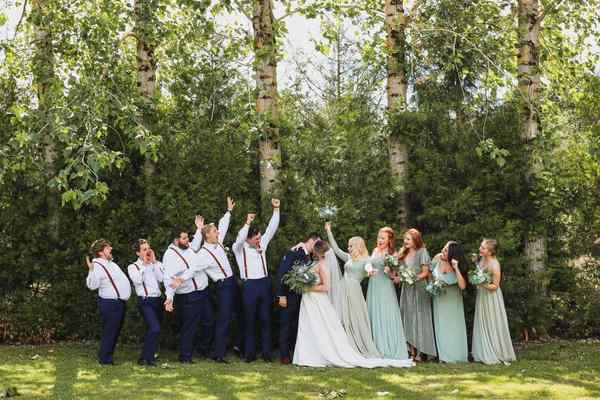
Sage green bridesmaid dresses have a quiet confidence that brighter wedding colors sometimes struggle to match. The soft, grey-green shade can feel romantic in a garden, relaxed at a countryside venue, and surprisingly polished in a formal setting. Yet choosing sage is only the beginning. The exact undertone, fabric, flowers, and accessories determine whether the wedding party looks beautifully coordinated or slightly mismatched.
Choose the Right Shade of Sage Green
Some sage green bridesmaid dresses lean silvery and cool, while others have warmer, olive or eucalyptus undertones. Retailers may use the same color name for noticeably different fabrics. Compare actual swatches rather than relying on product labels or edited photographs.
For a light, airy wedding, try a muted sage with a gentle grey cast. For a rustic or late-summer celebration, a slightly deeper, earthier green adds warmth. If dresses will come from different collections, place the swatches side by side in natural daylight and under the venue’s likely evening lighting.
Fabric Changes How Sage Looks
Fabric is just as important as the color. Sage bridesmaid gowns in chiffon usually appear soft and diffused because the lightweight layers scatter light. Chiffon is a natural fit for breezy outdoor ceremonies, although the lining and number of layers affect coverage.
Crepe creates a cleaner, more structured appearance, ideal for a modern wedding with simple floral arrangements. Satin reflects light more strongly, making sage look brighter or darker depending on the angle. A satin swatch photographed in direct sunshine can look quite different from the same fabric indoors.
Velvet adds depth and richness for cooler-weather celebrations, but it can feel heavy for a hot outdoor event. Before committing, consider movement, temperature, wrinkles, and whether everyone will be comfortable sitting and dancing in the chosen material.
Coordinate Silhouettes Without Making Everyone Match
A shared color does not require identical dresses. A-line skirts, wrap-inspired bodices, higher necklines, and sleeved options can all work together when the fabric and length stay consistent. Allowing bridesmaids to select from an approved group of styles often produces a more comfortable wedding party.
One particularly effective formula is the same sage fabric in several floor-length silhouettes. This keeps the color cohesive in group photographs while allowing people to choose their preferred fit and coverage. Ask each person to check the size chart, alteration allowance, undergarment requirements, and return terms before ordering.
Style Sage Green for Each Wedding Season
Spring: Soft and Botanical
Spring suits pale sage with ivory, blush, and fresh greenery. Choose floaty fabrics and loosely gathered bouquets for an understated garden feel. Cream-colored shoes and delicate pearl details keep the styling light rather than overly sweet.
Summer: Fresh but Not Washed Out
For summer, combine sage with white flowers, champagne accents, or muted peach. Outdoor light can make very pale green fabrics look almost grey in photographs, so test swatches in full sun. Lightweight, breathable dresses and practical block heels are especially helpful for lawn ceremonies.
Autumn: Warmer, Earthier Contrasts
Sage wedding colors also work beautifully in autumn. Pair the dresses with terracotta, rust, oatmeal, or deep burgundy flowers. Brushed gold jewelry and textured arrangements bring warmth without forcing sage to imitate a darker forest green.
Winter: Rich Texture and Clean Contrast
For winter, consider deeper sage in satin, crepe, or velvet alongside ivory, charcoal, and metallic accents. A tailored wrap or coat can be more useful than a decorative shawl for outdoor photographs. Make sure any covering complements the dresses rather than hiding them completely.
Build a Palette Around the Dresses
The easiest way to make sage feel considered is to limit the supporting colors. Sage, ivory, and champagne create a classic, refined combination. Sage, dusty rose, and cream feel romantic. Sage, terracotta, and warm beige have a more natural, Mediterranean-inspired mood.
If you prefer crisp modern styling, try sage with white, soft black details, and restrained silver accents. Avoid introducing several unrelated greens across table linens, stationery, ribbons, and suits. Repeating one or two complementary tones is usually more effective than trying to match every element exactly.
When comparing bridesmaid color ideas, picture the full scene: dresses beside the bride’s outfit, floral arrangements, the ceremony backdrop, and the venue’s existing colors.
Which Flowers Complement Sage Green?
White roses, lisianthus, and delicate greenery offer a timeless pairing, while blush dahlias or garden roses can soften the overall look. For greater contrast, consider warm peach, rust, or berry-colored blooms. Flower availability varies by season and region, so ask your florist which alternatives will give a similar color impression.
Rather than matching bouquets to the dresses exactly, introduce contrast. Mostly sage-colored foliage held against sage fabric can disappear in photographs; ivory or warmer blooms help define the bouquet’s shape.
Choose Shoes, Jewelry, and Finishing Details
Nude or champagne shoes keep the silhouette uninterrupted, while metallic sandals add a dressier finish. Gold generally complements warmer sage tones; silver or pearls can look especially crisp with cool, grey-green shades. Neither is a strict rule, so compare accessories against an actual fabric sample.
At an outdoor venue, heel shape matters as much as color. Block heels, flats, or dressy sandals are often easier to manage on gravel and grass than narrow stilettos. Keep jewelry within a shared mood rather than insisting that everyone wear identical pieces.
Test the Whole Look Before Ordering
Imagine a five-person wedding party choosing sage dresses from three online shops. Every listing says “sage,” but one dress arrives yellow-green and another nearly blue-grey. A practical solution is to order samples first, choose one reference swatch, and have each bridesmaid compare her fabric against it before removing tags.
Photograph the swatches together outdoors in shade, outdoors in sunlight, and indoors. Include a white or ivory fabric sample nearby so you can see how the greens interact with the bridal outfit. This small test is often more revealing than looking at individual product photos on different screens.
Frequently Asked Questions
Are sage green bridesmaid dresses suitable for every season?
Yes. Sage works throughout the year, although lighter fabrics and soft flowers tend to suit warmer months, while richer textures and deeper accents can make it feel appropriate for autumn and winter.
What color shoes go with sage green bridesmaid dresses?
Champagne, nude, soft gold, silver, and ivory are reliable starting points. Consider the dress undertone, venue surface, and comfort before deciding on one shoe color for everyone.
Can bridesmaids wear different shades of sage?
They can, provided the variation looks intentional. Choose a narrow range of related tones, compare physical swatches, and keep another element, such as fabric or dress length, consistent.
What suit colors look good beside sage bridesmaid gowns?
Classic navy, charcoal, light grey, and warm beige can all complement sage. The strongest choice depends on the formality of the event, the time of year, and the supporting wedding palette.
Bring the Look Together
The appeal of sage green is its flexibility, not the need to match everything perfectly. Start with a clear shade reference, choose comfortable silhouettes, and let flowers and accessories create contrast. With a little swatch testing and a restrained palette, the wedding party can look coordinated while still feeling like themselves.