
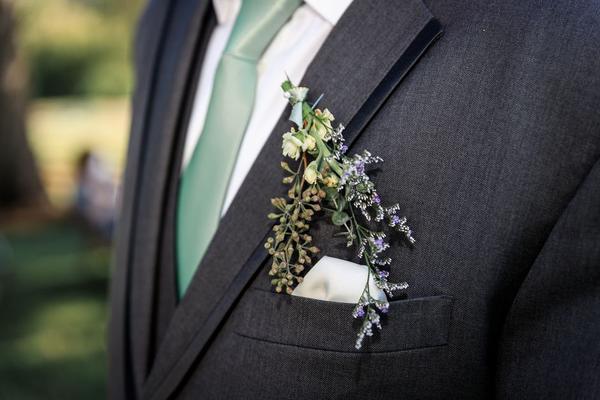
Formal groom attire should feel special without becoming a costume. The key is to dress for the wedding’s actual level of formality, not simply choose the most expensive jacket in the shop. A candlelit ballroom reception calls for different clothes than an afternoon ceremony followed by dinner at a country house. Once you understand the difference between black tie and a formal dress code, the decisions about jackets, shirts, shoes, and accessories become much easier.
Start With the Wedding Dress Code
For a black-tie wedding, the traditional choice is a tuxedo, also called a dinner suit. The classic combination is a black dinner jacket and matching trousers, white formal shirt, black bow tie, and polished black evening shoes. Midnight blue can also be an elegant tuxedo option, particularly under evening lighting.
A wedding described simply as “formal” allows more interpretation. Depending on the time, location, and couple’s expectations, a dark tailored suit or tuxedo may be suitable. Black-tie optional explicitly permits either a tuxedo or a dark formal suit. White tie is a separate, more demanding dress code; it is not another name for black tie.
Choose a Tuxedo That Looks Right in Person and in Photos
The groom tuxedo is the foundation of traditional evening wedding attire. Look for a jacket with a shawl collar or peak lapels, usually faced in satin or grosgrain. Matching trousers generally have a decorative stripe down the outer seam. These details separate eveningwear from a regular suit, even when both are black.
A single-breasted black tuxedo is a dependable choice across venues and seasons. A midnight-blue tuxedo offers subtle individuality without sacrificing the formal effect. Velvet jackets and other statement fabrics can work for a deliberately creative celebration, but they are not the safest default for strict black tie.
Dress Shirt and Bow Tie
A crisp white formal shirt creates the clean contrast associated with black tie groom attire. Pleated and piqué-front shirts are traditional; a neat plain-front formal shirt can also look elegant when its collar and fastening suit the tuxedo. French cuffs with restrained cufflinks add a polished finishing detail.
A black bow tie is the standard choice for strict black tie. A self-tied version offers a slightly more personal finish, but a well-fitted pre-tied bow tie is preferable to one that keeps slipping. A regular long necktie belongs more naturally with a formal wedding suit than a traditional tuxedo ensemble.
Shoes, Socks, and Waist Details
Black patent-leather evening shoes are traditional, while highly polished black leather Oxfords are another elegant choice for many modern black-tie weddings. Wear long black dress socks so bare skin does not show when you sit. Avoid chunky soles, casual loafers, and brightly contrasting footwear unless the wedding intentionally has a creative dress code.
A low-cut evening waistcoat or black cummerbund can cover the waistband of a traditional tuxedo. Tuxedo trousers are commonly held up with side adjusters or braces rather than a visible belt. Keep a white pocket square simple; the boutonniere, if worn, should complement the flowers rather than compete with them.
When a Dark Suit Is the Better Formal Choice
A tuxedo is not compulsory at every elegant wedding. For a daytime formal ceremony or a celebration marked black-tie optional, a well-tailored navy, charcoal, or black suit can be appropriate. Pair it with a white dress shirt, conservative silk tie, black leather shoes, and dark socks. The fit and quality of the cloth matter more than flashy extras.
Make Fit the Priority, Not the Final Errand
Even beautiful formalwear can look untidy if it pulls across the chest or puddles around the shoes. The shoulder seam should sit neatly, the jacket should button without strain, and the collar should stay close to the neck. Trouser hems should fall cleanly over the shoe without excessive stacking.
Book alterations early enough for a second fitting. At that appointment, sit down, raise your arms gently, walk, and practice a few dance steps. These simple checks reveal tight sleeves, uncomfortable waistbands, and trousers that ride up. Try the full outfit together, including the actual shoes and shirt, rather than checking each piece separately.
Coordinate With the Wedding Without Matching Everything
The groom’s outfit should relate to the formality of the partner’s clothing and the wedding setting. That does not mean copying every color in the floral arrangements. A classic black tuxedo can sit beautifully alongside a modern bridal look, a traditional gown, or a tailored wedding ensemble. For groomsmen, coordinate the degree of formality first; a matching boutonniere or restrained variation in lapel texture can identify the groom without introducing visual clutter.
A Practical Black-Tie Wedding Outfit Example
Imagine a ceremony at five in the afternoon followed by a seven o’clock reception in a city hotel, with “black tie” printed on the invitations. A strong groom outfit would be a midnight-blue tuxedo with black silk-faced peak lapels, matching formal trousers, a white pleated-front shirt, black bow tie, polished black Oxfords, and a white pocket square.
Arrange a final fitting with the shirt and shoes several weeks before the wedding. On the day, ask one trusted person to check the bow tie, pocket square, and jacket before portraits. That small routine prevents the surprisingly common problem of discovering a crooked collar in every formal photograph.
Frequently Asked Questions
Does the groom have to wear a tuxedo at a formal wedding?
No. At a wedding described only as formal, a dark tailored suit may be suitable, especially during the day. For an event explicitly designated black tie, a tuxedo is the traditional and clearest choice.
Can a groom wear navy instead of black?
Yes. A dark navy formal suit is appropriate when the dress code permits suits. For black tie, a purpose-made midnight-blue tuxedo is a classic alternative to black; an ordinary navy business suit is not equivalent.
Should a groom wear a bow tie or a regular tie?
Choose a black bow tie with a traditional tuxedo. A regular necktie works well with a dark formal suit, but it generally reduces the classic black-tie effect when paired with a dinner jacket.
Is a three-piece suit formal enough for black tie?
A three-piece suit can look very polished, but the addition of a waistcoat does not turn it into a tuxedo. It fits formal or black-tie optional settings better than a strict black-tie dress code.
Getting the Formal Look Right
The best formal groom attire follows a simple order: understand the dress code, choose the correct garment, perfect its fit, and then add restrained details. A tuxedo is the reliable answer for black tie; a dark tailored suit has its place at many formal weddings. When every piece supports the same level of dress, the result feels confident, comfortable, and worthy of the occasion.