
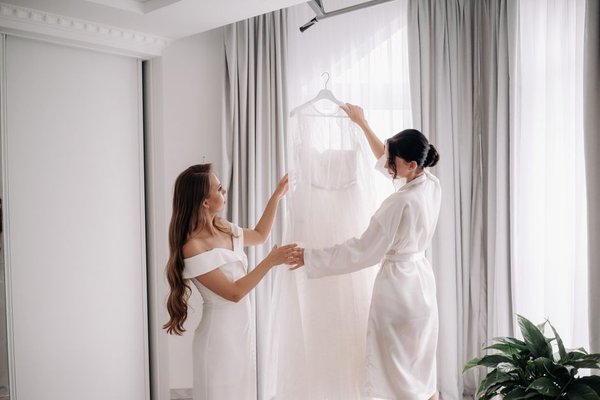
A bridesmaid dress can look completely different depending on where its hem falls. Mini dresses feel playful, mid-length styles look relaxed yet polished, and sweeping gowns bring an unmistakably formal mood. But a flattering photograph tells only part of the story. The right length also needs to work with the ceremony setting, the weather, the shoes, and a full day of movement.
This bridesmaid dress length guide compares four popular choices so you can match the wedding’s atmosphere without overlooking comfort or alterations.
How the Four Dress Lengths Compare
Mini: Above the Knee
Mini bridesmaid dresses end above the knee, although the precise hem varies by design and the wearer’s height. They suit casual ceremonies, contemporary city celebrations, and warm-weather weddings where the couple wants a youthful, less traditional look. They can also make stairs and dancing easier.
The potential drawback is coverage. A skirt that seems comfortable while standing may feel too short when sitting or bending. At an outdoor venue, check how the fabric behaves in the wind before choosing a particularly high hemline.
Midi: Between Knee and Ankle
Midi bridesmaid dresses fall somewhere between the knee and ankle. Because that range is broad, a just-below-the-knee midi can appear noticeably more casual than an ankle-skimming version. Both are sold under the same label, so product measurements matter.
Midi dresses are especially versatile for cocktail, semi-formal, and daytime weddings. They display the shoes, offer more coverage than minis, and often feel easier to rewear after the celebration.
Tea Length: An Elegant Mid-Calf Finish
Tea length bridesmaid dresses typically end around the mid-calf or lower calf, although shops use the term differently. Tea length overlaps with midi rather than representing an entirely separate measurement category. It often suggests a more deliberate, occasionally vintage-inspired silhouette.
Think garden ceremonies, historic halls, and daytime receptions. Tea-length skirts can feel graceful without sweeping the ground. On a mixed-height bridal party, however, the same dress may hit different points on different calves. Plan alterations around the intended proportion.
Floor Length: A Formal Gown
Floor length bridesmaid dresses finish at or near the floor. They generally create the most formal impression and fit evening, black-tie, and traditional ballroom weddings particularly well. Flowing chiffon feels softer; structured satin creates a more architectural line.
Longer is not automatically more practical. Extra fabric can drag through damp grass or catch under a shoe. A well-fitted hem should look intentional while allowing the wearer to walk without repeatedly lifting the skirt.
Match the Length to the Dress Code and Venue
Start with the couple’s vision and the stated dress code. Black-tie celebrations usually favor floor-length gowns. Cocktail and semi-formal events commonly accommodate midi and tea-length designs. Minis are more at home at casual or fashion-forward weddings, unless the couple has expressly approved them for a dressier occasion.
Then consider the ground beneath the bridesmaids’ feet. Picture a June garden wedding with a lawn ceremony, gravel paths, and an outdoor meal. A tea-length skirt may stay cleaner and be easier to manage than a floor-skimming gown. In a winter hotel ballroom with smooth indoor floors, a long dress could better suit the occasion.
Weather and Fabric Matter as Much as Length
A short dress is not necessarily the coolest option. A heavily lined mini can feel warmer than an airy full-length chiffon gown. Compare fabric weight, lining, and airflow alongside the hemline, especially for outdoor summer weddings.
Cold-weather weddings may benefit from longer coverage, though sleeves, wraps, and indoor heating also matter. For breezy waterfront venues, a secure skirt with adequate coverage can prevent constant adjustments during photographs.
Personal comfort deserves an equal vote. One bridesmaid may love showing her legs, while another prefers a calf-length skirt. Offering an approved range of lengths can preserve a coordinated look without forcing everyone into the same level of coverage.
Choose Shoes Before the Final Fitting
Shoes change how fabric hangs. Floor-length dresses should be hemmed while the bridesmaid wears the actual wedding shoes, or a pair with the same heel height. Otherwise, switching from flats to heels can make the skirt look too short; switching the other way can create a tripping hazard.
Mini, midi, and tea-length designs showcase footwear, so shoes become part of the outfit. Block heels or dressy flats can work better on grass than narrow stilettos. Try different shoe shapes with calf-length skirts; the combination can alter the visual balance of the whole look.
If bridesmaids plan to change into dancing shoes, make sure the hem works safely with the lower pair. A bridesmaid shoe guide is a useful next stop when coordinating style with venue surfaces.
Must Every Bridesmaid Wear the Same Length?
Not necessarily. Dresses of different lengths can look cohesive when the color, fabric character, and level of formality align. Midi and tea-length styles often mix more naturally than a very short mini beside a dramatic evening gown.
Even matching dresses will not fall identically on people of different heights. Decide whether the goal is the same distance from the floor or a hem that hits the same point on each person’s leg. The latter often looks more proportional in group photographs.
Set the shared color palette first, then approve the length options. A bridesmaid dress color combinations guide can help establish a common thread before individual silhouettes are chosen.
What to Check Before Ordering
Look for an actual garment-length measurement rather than relying on labels like “midi.” Check the retailer’s size guide, alteration possibilities, delivery dates, and return policy. Dresses with intricate lace edges, beading, or multiple layers may need more involved hemming.
During a try-on, sit, walk, climb one step, and turn around. Take photographs from the front and side in the chosen shoes. If a group is wearing mixed styles, compare those pictures together before placing final orders. A mismatched bridesmaid dresses guide can help make the finished lineup look deliberate.
Frequently Asked Questions
Is Tea Length the Same as Midi?
The categories overlap. Midi broadly covers knee-to-ankle lengths, while tea length usually indicates a more specific calf-level hem. Retailers vary, so check the measurements and model photographs.
Are Midi Dresses Formal Enough for Bridesmaids?
Often, yes. Tailored midi dresses in dressy fabrics suit many cocktail and semi-formal weddings. For strict black-tie celebrations, ask the couple before choosing one instead of a full-length gown.
How Far Above the Floor Should a Long Dress End?
There is no universal distance. It should hang neatly and allow safe steps in the intended shoes. Have a tailor check the hem while the wearer stands and walks.
Can Bridesmaids Wear Different Dress Lengths?
Yes, with the couple’s approval. Shared colors, compatible fabrics, and consistent formality can make different hems feel like one considered wedding-party look.
Make the Hemline Work for the Whole Day
Mini dresses bring energy, midis offer flexibility, tea lengths add polished charm, and floor-length gowns deliver a classic formal finish. Begin with the dress code, then consider the venue, weather, footwear, and each person’s comfort. The winning choice is the one that looks right in photographs and still feels good from the processional to the final dance.