
A wedding date is much more than a number on an invitation. It determines the atmosphere of the celebration, the colors of the landscape, the food served at the reception, and even the way guests experience the destination.
In Italy, every season offers a different interpretation of romance. Spring brings fresh greenery and delicate blossoms, summer promises long evenings beneath the stars, autumn introduces golden landscapes and rich culinary traditions, while winter creates opportunities for intimate celebrations filled with warmth and elegance.
For couples considering a wedding location in Umbria, understanding these seasonal differences can make the planning process more rewarding. Located in the heart of Italy, Umbria experiences distinct seasonal changes that influence everything from outdoor ceremonies to photography and guest comfort.
There is no universally perfect month to get married in Italy. The ideal date depends on the atmosphere you want to create and the experiences you hope to share.
Spring weddings: a celebration of new beginnings
Spring has long been associated with renewal, making it a naturally romantic season for weddings.
Between April and June, the Umbrian countryside gradually transforms into a landscape of vibrant green hills, flowering gardens, and fresh vegetation. The countryside feels alive, creating an enchanting environment for ceremonies and outdoor photography.
Spring weddings are particularly appealing to couples who appreciate delicate colors and natural elegance.
Floral arrangements featuring seasonal blooms can complement the surrounding landscape, while soft pastel tones and lightweight fabrics reinforce the feeling of freshness.
May and June are especially attractive for outdoor celebrations, although temperatures and rainfall can vary considerably.
One important consideration is the unpredictability of spring weather. A sunny afternoon can occasionally give way to showers or cooler evening temperatures.
For this reason, couples planning a spring wedding should ensure that their venue provides comfortable indoor alternatives.
Spring is also an excellent period for guests interested in exploring the region. The generally mild conditions make visits to historic towns, countryside walks, and cultural excursions particularly enjoyable.
Summer weddings: long evenings and outdoor elegance
Summer is often the season people imagine when dreaming of an Italian wedding.
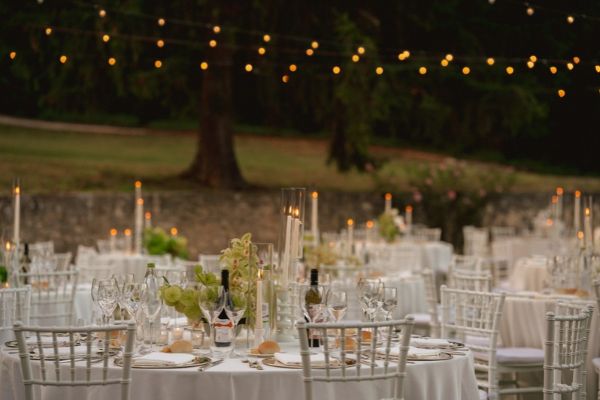
Golden sunlight, outdoor dining, warm evenings, and celebrations beneath the stars create the classic atmosphere associated with destination weddings in Italy.
From late June through August, Umbria generally experiences warm to hot weather, with long daylight hours that provide flexibility for ceremonies and photography.
One of the greatest advantages of summer is the possibility of organizing different moments of the wedding outdoors.
A late-afternoon ceremony can be followed by cocktails in a garden, dinner on a terrace, and dancing beneath decorative lights.
However, summer celebrations require thoughtful timing.
July and August can bring intense afternoon heat, particularly during periods of high temperatures. Scheduling ceremonies later in the day, providing shaded areas, and ensuring access to refreshments can significantly improve guest comfort.
Couples should also consider the needs of elderly relatives, children, and guests who may be less accustomed to Mediterranean summer temperatures.
For photography, the period shortly before sunset often provides particularly attractive lighting, with softer shadows and warm tones.
Summer is ideal for couples who prioritize open-air celebrations, provided the event schedule is designed around the climate rather than against it.
Autumn weddings: golden landscapes and seasonal flavors
Autumn offers a completely different visual experience.
As September gives way to October and November, the Umbrian countryside begins to display warmer colors. Vineyards, woodlands, and rural landscapes gradually shift towards shades of amber, copper, and gold.
This transformation creates a sophisticated setting for weddings inspired by nature.
September often retains some of summer’s warmth, while October typically introduces cooler temperatures and a more distinctly autumnal atmosphere.
The season also has a strong connection with Umbrian gastronomy.
Grape harvests, olive cultivation, mushrooms, truffles, and other seasonal ingredients contribute to the region’s culinary identity.
An autumn wedding menu can celebrate these traditions through dishes that reflect the local agricultural calendar.
Decorative choices can follow the same inspiration.
Warm-toned flowers, textured fabrics, candlelight, and natural materials work beautifully with the seasonal landscape.
Autumn is particularly attractive for couples who prefer a refined atmosphere rather than a distinctly summery celebration.
Nevertheless, daylight hours become shorter as the season progresses, and rainfall becomes an increasingly important consideration.
Ceremony schedules, photography sessions, and outdoor receptions should therefore be planned with greater attention to available daylight and weather alternatives.
Winter weddings: the unexpected elegance of the italian countryside
Winter is frequently overlooked when couples consider getting married in Italy.
Yet the colder months offer a distinctive opportunity to create a celebration centered on intimacy, atmosphere, and hospitality.
Instead of focusing on outdoor gardens and panoramic terraces, winter weddings can emphasize historic interiors, candlelit dining rooms, architectural details, and warm decorative elements.
Imagine a reception surrounded by ancient stone walls, elegant floral arrangements, soft lighting, and beautifully arranged tables.
The atmosphere can feel particularly inviting when the design embraces the character of the season.
Winter menus also offer opportunities to explore traditional Italian comfort food, seasonal ingredients, and rich regional flavors.
For couples who appreciate a quieter atmosphere, the winter months may provide an appealing alternative to the busier wedding season.
However, planning a winter wedding requires careful attention to heating, indoor capacity, transportation, and the possibility of adverse weather.
Outdoor ceremonies may be impractical on certain dates, making the quality and flexibility of the interior spaces especially important.
A successful winter wedding is not simply a summer celebration moved indoors. It is an event designed around the distinctive qualities of the colder season.
How the wedding venue influences your seasonal options
The choice of venue can significantly affect which months are suitable for a wedding.
A property designed exclusively for outdoor celebrations may offer limited flexibility during rainy or colder periods.
By contrast, a location with multiple indoor and outdoor spaces can accommodate a wider variety of seasonal concepts.
This is particularly relevant when evaluating a wedding location in Umbria, where the landscape changes noticeably throughout the year.
A useful example is San Pietro Wedding, a historic estate in Massa Martana, surrounded by the Umbrian countryside.
The property features landscaped gardens, a romantic cloister, outdoor areas, covered spaces, and elegant reception rooms.
This combination allows different environments to play a central role depending on the season.
During warmer months, the gardens and outdoor areas can provide beautiful settings for ceremonies and receptions. During colder or rainy periods, the indoor rooms and covered spaces offer alternatives that preserve the character of the celebration.
The venue also offers dedicated options for winter weddings, demonstrating how seasonal planning can become part of the overall event concept rather than a limitation.
For couples organizing their wedding from abroad, this flexibility is especially valuable because weather conditions cannot be predicted with certainty months in advance.
The hidden influence of daylight on wedding photography
One factor that couples sometimes underestimate is the relationship between the wedding date and natural light.
Daylight affects not only photography but also the entire rhythm of the celebration.
In June, long evenings allow greater flexibility when scheduling outdoor ceremonies, portraits, and aperitifs.
In November or December, sunset arrives much earlier, making it necessary to organize photography and other daylight-dependent activities accordingly.
The quality of light also changes throughout the year.
Summer sunlight can be intense, creating strong contrasts during the middle of the day. Spring often provides softer conditions, while autumn can introduce warm, atmospheric tones.
Winter sunlight tends to remain lower in the sky, creating interesting opportunities for portraits around historic architecture.
Rather than selecting a ceremony time based exclusively on convenience, couples can benefit from discussing the seasonal lighting conditions with their photographer.
A well-planned schedule ensures that the most meaningful moments take place under suitable lighting conditions without making the day feel unnecessarily rushed.
The best wedding date is the one that matches your vision
Choosing when to get married in Italy involves balancing practical considerations with emotional expectations.
Couples dreaming of outdoor dining and warm evenings may naturally gravitate towards summer. Those who appreciate seasonal cuisine and rich colors might prefer autumn.
Spring offers a sense of freshness and renewal, while winter creates opportunities for elegant celebrations with a more intimate atmosphere.
The important thing is to recognize that each season brings its own possibilities.
When evaluating a wedding location in Umbria, couples should imagine how the property will look and function during their preferred month, rather than considering only its appearance in promotional photographs.
The most successful wedding celebrations embrace the characteristics of the chosen season.
They allow the natural environment, available daylight, local traditions, and venue architecture to influence the experience in a thoughtful way.
Ultimately, the perfect wedding date is not necessarily the warmest, sunniest, or most popular day of the year.
It is the moment when the setting, atmosphere, and personal vision come together to create a celebration that feels entirely your own.