
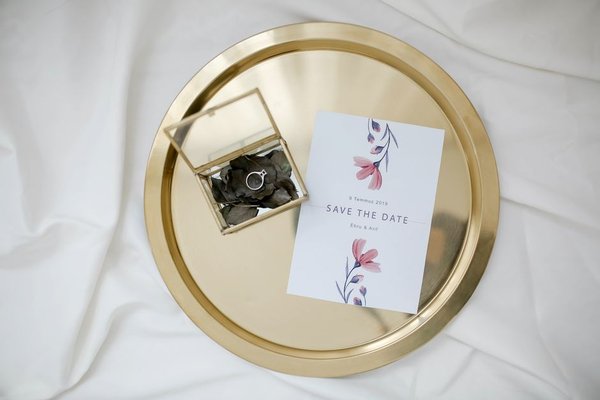
You have a wedding date, a guest list, and one deceptively tricky question: when should everyone hear about it? Send save-the-dates too late, and guests may have booked vacations or used their time off. Send them before plans are firm, and you might need to correct the details. Good timing is less about an inflexible etiquette rule and more about giving people the notice they need.
When to Send Save-the-Dates: The Short Answer
For most weddings in the United States, send save-the-dates six to eight months before the ceremony. For destination weddings, allow eight to twelve months, especially when international flights, passports, or significant expenses are involved. These are useful ranges rather than strict deadlines. A small local celebration may work with four to six months of notice, while a holiday weekend deserves more.
A save-the-date asks guests to protect a calendar date, not respond formally. It comes before the invitation, which will provide final event details and RSVP instructions.
Local weddings: Six to eight months ahead
If most guests live nearby, six months is often enough. Lean toward eight months if your wedding falls during school breaks, a major festival, or a popular vacation period. Even a short drive might require childcare, a hotel, or a schedule change.
Destination weddings: Eight to twelve months ahead
Destination save-the-dates should arrive earlier because attending can require serious planning. Guests may need to compare airfares, request several days off, budget for accommodations, or check passport validity. For international celebrations, notice near the twelve-month mark is considerate once the date and venue are confirmed.
Think about travel rather than labels. A remote wedding in another state may require more preparation than an overseas celebration for guests who already live near that destination.
Build Your Save the Date Timeline Backward
Start with the ceremony date and count backward six to eight months for a typical U.S. wedding, or eight to twelve months for a destination event. Then allow time to collect addresses, approve proofs, print cards, and mail them. Digital announcements eliminate printing delays, but they do not reduce the planning time guests need.
Imagine you are getting married near your hometown on October 16, 2027. A sensible mailing window is February through April 2027. If half your guests must fly across the country, choose February or March. For an international destination wedding on the same date, an announcement in late 2026 could be appropriate after the venue is secured.
The smartest wedding notice timing anticipates the longest obstacle your guests face, whether that means flight bookings, school calendars, or requesting weekend shifts off.
Confirm These Details Before Mailing
Do not send announcements based on a tentative date. Secure the venue and confirm the wedding day first. You can settle flowers, menus, and music later, but the essential promise on the card needs to be dependable.
Finalize the portion of your guest list you can confidently invite. Everyone who receives a save-the-date should receive a formal invitation, even if your plans or budget change. Be careful with plus-ones and children’s names: your envelope wording should not imply an invitation you cannot honor.
For destination weddings, confirm at least the city or region. Research unusually limited transportation or lodging options before inviting people to make arrangements.
What Should a Save-the-Date Include?
Keep it simple: both partners’ names, the wedding date, the city and state or destination country, and wording such as “formal invitation to follow.” Add your wedding website address if you have one. Guests can use it to check travel information and updates. The exact venue can wait if the destination is clear enough for planning.
Do not request RSVPs or meal choices yet. Hotel details belong on your wedding website once verified. A wedding website checklist can help distinguish useful early information from details best saved for later.
Paper and digital formats both work. For mailed cards, account for production and postal delivery. For email or text, double-check addresses and confirm important guests actually received the message.
How Save-the-Dates Fit the Wedding Invitation Timeline
Save-the-dates begin the communication; invitations complete it. When guests have already received advance notice, formal wedding invitations typically go out about six to eight weeks before the ceremony. Some couples mail them earlier when travel logistics or venue deadlines demand extra time.
Set the RSVP deadline by working backward from the date your venue or caterer requires final numbers, with room to follow up on missing responses. An early announcement does not guarantee attendance: guests formally accept or decline only when invitations arrive.
The invitation provides precise venues, schedules, RSVP methods, and any relevant dress guidance. A wedding invitation wording guide can help you prepare it, while a wedding RSVP deadline guide can make the final weeks easier to organize.
What If You Are Late or Plans Change?
If the wedding is fewer than four months away and invitations are almost ready, skip separate printed save-the-dates. Personally notify guests who must travel, then send accurate invitations with adequate response time. Two rushed mailings arriving almost together rarely help anyone.
If the date or location changes after announcements go out, contact guests immediately. Send a clear change-the-date notice, update the wedding website, and personally reach anyone who may have purchased flights or reserved rooms. Minor changes, such as a ceremony start time, can sometimes wait for invitations, as long as nobody will act on outdated details.
Keep a record of who was informed. The greater the travel expense, the more valuable prompt, direct communication becomes.
Frequently Asked Questions
Is four months too late to send save-the-dates?
Not necessarily for a local wedding, but it is later than ideal. If invitations will follow shortly, skip the extra announcement and tell out-of-town guests directly.
Can you send them more than a year early?
Usually there is little benefit. Guests may not be able to plan that far ahead, and details can change. Around twelve months is a sensible early point for an international destination wedding with confirmed arrangements.
Does every guest need a save-the-date?
Save-the-dates are optional, especially for short engagements. If you send them, include only people you definitely intend to invite. Others can receive direct advance notice when appropriate.
Should guests RSVP to a save-the-date?
No formal response is expected. Guests can mention conflicts informally, but the official answer belongs to the invitation. Avoid finalizing numbers before RSVPs arrive.
Choose Timing That Works for Your Guests
A thoughtful save-the-date timeline gives loved ones space to plan without locking you into uncertain details. Six to eight months is a reliable starting point for most U.S. weddings; eight to twelve months suits events involving significant travel. Confirm the essentials, notify your definite guests, and let the formal invitations handle the finer points.