
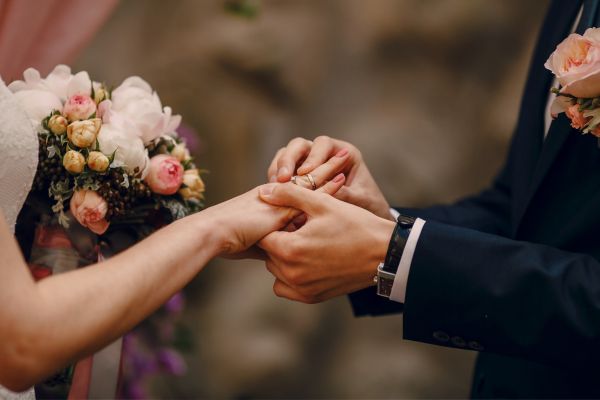
There’s something quietly magical about wedding photography. It’s not just about documenting a day—it’s about preserving fleeting expressions, subtle glances, and those in-between moments that often matter the most. And while skill, timing, and instinct all play their part, the lenses you choose can shape how those moments are captured.
When photographers talk about the best lenses for wedding photography, they’re not just referring to sharpness or brand reputation. They’re talking about versatility, reliability, and the ability to adapt quickly in unpredictable conditions. Weddings don’t pause for lens changes or perfect lighting, after all.
This guide explores the lenses that tend to stand out—not because they’re trendy, but because they consistently deliver when it matters.
Why Lens Choice Matters More Than You Think
A wedding day moves fast. One minute you’re in a dimly lit room capturing quiet preparations, the next you’re outside in harsh sunlight photographing group portraits. Then comes the reception, often filled with low light, motion, and spontaneous energy.
The right lens doesn’t just improve image quality—it helps you stay responsive. A good lens lets you work without interrupting the moment. It gives you confidence in tricky lighting and helps maintain consistency across an entire gallery.
Different focal lengths tell different stories. That’s why most wedding photographers don’t rely on just one lens—they build a small, dependable kit that covers multiple scenarios.
The Classic 50mm Lens for Natural Storytelling
There’s a reason the 50mm lens is often called the “nifty fifty.” It closely mirrors how the human eye sees the world, making it ideal for capturing moments that feel honest and unforced.
In wedding photography, this lens shines during candid shots. Whether it’s laughter during bridal prep or a quiet exchange between the couple, the 50mm captures it without distortion or distraction. Its wide aperture also performs beautifully in low light, creating soft backgrounds that gently isolate the subject.
It’s not overly dramatic, and that’s precisely its strength. The 50mm lens tends to produce images that feel timeless rather than stylized.
The 85mm Lens for Emotion and Portraits
If there’s one lens that consistently delivers stunning portraits, it’s the 85mm. It has a way of compressing the background just enough to make subjects stand out while maintaining a flattering perspective.
Wedding photographers often reach for this lens during couple portraits, ceremony moments, and emotional exchanges. Tears, smiles, subtle expressions—all of it feels more intimate when captured from a slight distance.
There’s also a practical advantage. The 85mm allows you to step back, giving subjects space to be themselves. That distance often leads to more natural, relaxed photographs.
The 24-70mm Zoom for Versatility
Weddings rarely give you time to think about switching lenses. That’s where the 24-70mm zoom becomes invaluable. It covers a wide range of focal lengths, making it one of the most practical choices for wedding photography.
From wide shots of the venue to mid-range portraits, this lens adapts quickly. It’s especially useful during fast-paced parts of the day, like the ceremony or reception, where moments unfold without warning.
While prime lenses may offer slightly sharper images or wider apertures, the flexibility of a 24-70mm often outweighs those differences in real-world situations.
The 70-200mm Lens for Distance and Discretion
Some moments are best captured without being noticed. The 70-200mm lens allows photographers to stay unobtrusive while still getting close-up shots.
This lens is particularly useful during ceremonies, where movement is limited and discretion is essential. It lets you photograph emotional reactions, vows, and subtle gestures without stepping into the scene.
It also performs well outdoors, where space isn’t an issue. The compression it offers can create beautifully layered images, especially when shooting across long distances.
The 35mm Lens for Storytelling and Atmosphere
If the 50mm feels natural, the 35mm feels immersive. It pulls you slightly closer to the environment, making it ideal for storytelling.
This lens works beautifully during getting-ready shots, reception scenes, and dance floor moments. It captures not just the subject, but the surrounding energy—the room, the people, the atmosphere.
There’s a certain intimacy to 35mm photography. It invites viewers into the scene rather than isolating them from it.
Prime Lenses vs Zoom Lenses in Wedding Work
There’s an ongoing conversation in photography about whether prime lenses or zoom lenses are better. In truth, both have their place.
Prime lenses, like the 50mm or 85mm, often produce sharper images and allow for wider apertures. They’re excellent for low-light conditions and artistic portraits. However, they require more movement and planning.
Zoom lenses, on the other hand, offer flexibility. They’re practical, especially when you can’t physically move closer or farther from your subject.
Most experienced wedding photographers carry a mix of both. It’s less about choosing one over the other and more about knowing when each works best.
Handling Low Light Without Compromise
Weddings are notorious for challenging lighting conditions. Churches, indoor venues, evening receptions—these environments often push equipment to its limits.
Lenses with wide apertures, such as f/1.4 or f/1.8, can make a significant difference. They allow more light into the camera, reducing the need for flash and preserving the natural ambiance of the scene.
The best lenses for wedding photography aren’t just sharp—they’re dependable in low light. That reliability can mean the difference between capturing a moment and missing it entirely.
Balancing Creativity and Practicality
It’s easy to get caught up in technical specifications, but wedding photography isn’t just about numbers. It’s about storytelling.
A lens should support your creative vision, not complicate it. Some photographers prefer the simplicity of a single prime lens, while others feel more confident with a versatile zoom setup.
What matters most is consistency. Knowing how your lens behaves—how it handles light, movement, and depth—allows you to focus on the moment rather than the equipment.
Building a Reliable Wedding Lens Kit
There’s no universal formula, but many photographers settle into a rhythm with a few trusted lenses. A typical setup might include a wide-angle lens for environment shots, a mid-range zoom for flexibility, and a portrait lens for emotional detail.
Over time, preferences develop. Some lenses feel like extensions of your vision, while others rarely leave the bag. That process of refinement is part of what makes wedding photography so personal.
The goal isn’t to own every lens—it’s to understand the ones you use.
The Emotional Impact of the Right Lens
At the heart of it, wedding photography is about emotion. The quiet anticipation before the ceremony, the joy of the first dance, the laughter shared between friends—these are moments that live beyond the day itself.
The right lens doesn’t just capture these moments; it shapes how they’re remembered. A soft background can emphasize intimacy. A wider frame can convey atmosphere. A compressed perspective can heighten emotion.
These subtle choices add up, creating a collection of images that feel cohesive and meaningful.
Conclusion
Choosing the best lenses for wedding photography isn’t about chasing perfection—it’s about finding tools that support your way of seeing the world. Each lens offers a different perspective, a different way of telling the story.
Some photographers lean toward versatility, others toward artistry. Most find a balance somewhere in between. What matters is that your lenses allow you to stay present, to react instinctively, and to capture moments as they unfold.
Because in the end, it’s not the equipment that defines a wedding photograph. It’s the feeling it holds—and the memory it preserves.