
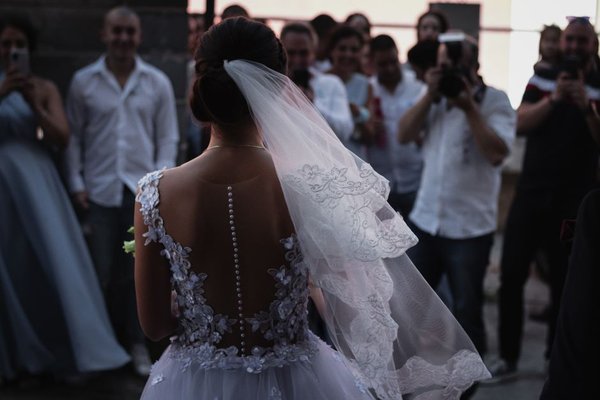
Finding wedding guest attire for women is easier once you stop looking for a single “perfect wedding dress” and start with the event itself. A formal city reception, a garden ceremony and a relaxed beach celebration call for different choices, even when your personal style stays the same. Dresses are popular, but a beautifully cut jumpsuit or tailored separates can look equally considered. The trick is balancing the couple’s dress code with the setting, the weather and what you can comfortably wear for several hours.
Start With the Dress Code, Not the Outfit
Check the invitation and wedding website before shopping. The requested level of formality matters more than the venue’s aesthetic, although location and time provide helpful clues when instructions are vague. Some celebrations also have religious or cultural expectations around coverage, color or headwear; follow the couple’s guidance rather than assuming standard Western rules apply.
Black Tie and Black-Tie Optional
For black tie, a floor-length evening gown is a dependable choice. Look for elegant fabric, careful tailoring and accessories that feel intentional. Black-tie optional gives you more flexibility: an elevated midi, formal jumpsuit or refined evening separates may suit the occasion.
Formal and Cocktail
Formal attire sits just below the strictest evening dress codes. A long dress, sophisticated midi or sleek dressy jumpsuit can work. Cocktail attire generally welcomes polished knee-length or midi dresses, with room for expressive color, texture and jewelry. Keep the finish special enough for a celebration rather than an ordinary office dinner.
Semi-Formal, Dressy Casual and Casual
Semi-formal often means an understated midi dress, elegant wrap style or tailored jumpsuit. Dressy casual allows a stylish matching set, polished sundress or trousers with a dressy blouse. Even a casual wedding usually calls for more effort than weekend clothing. Unless the couple explicitly permits them, skip denim, sportswear and everyday trainers.
Choose a Silhouette You Will Actually Enjoy Wearing
Dresses Beyond the Standard Floral Midi
A wrap dress is adjustable and easy to move in; a structured A-line gives a crisp shape; and a bias-cut slip dress creates an understated evening look. Tea-length and midi hems are versatile because they work across many venues.
Check the dress while sitting, standing and reaching forward. An outfit that looks beautiful in a mirror but needs constant adjustment will be distracting during a ceremony and dinner. For more inspiration, consider a separate guide to wedding guest dresses by dress code.
Jumpsuits for Wedding Guests
A jumpsuit is a strong alternative when you prefer trousers. The most wedding-ready versions usually have a defined waist, fluid wide legs or clean tailoring, and a fabric with enough drape to feel dressed up. For cocktail events, try a jewel-toned one-piece with metallic shoes. For a formal reception, choose a more luxurious finish and refined evening accessories.
Fit matters especially around the torso: sit down, lift your arms and check that the neckline stays secure. A well-fitted jumpsuit beats an elaborate design that is difficult to manage.
Tailored Separates and Pantsuits
Wide-leg trousers with a satin blouse, a coordinated skirt set or an elegant pantsuit can all make a memorable wedding guest outfit. Aim for consistency in fabric quality and formality. A sharp blazer can complete the look, but a businesslike suit may need dressier jewelry, a softer blouse or an evening bag to feel celebratory.
Match the Outfit to Season and Location
Spring weddings suit lightweight layers and cheerful colors, but temperatures can change quickly. Summer favors breathable fabrics and silhouettes that allow airflow; consider a lining that will not cling in humidity. Autumn brings richer tones and practical sleeves. In winter, velvet, heavier crepe and elegant outerwear are useful, especially when travel between venues is involved.
Ground conditions deserve equal attention. Thin stilettos can sink into grass, while a long hem may collect sand or catch on uneven paving. For a beach ceremony, a flowing midi or maxi with dressy flat sandals is often more practical than a tightly fitted gown and high heels.
Imagine a 4 p.m. garden ceremony followed by dinner inside. A midi dress with a light wrap and block-heeled sandals works across both settings. Pack a small foldable umbrella if rain is possible and test your shoes on grass beforehand. Those decisions can do more for your enjoyment than buying another accessory.
Finish With Comfortable Shoes and Thoughtful Layers
Block heels, low pumps, refined flats and elegant sandals can all look suitable; the choice depends on the ground, season and formality. Wear new shoes around the house first. If you will dance, check that your footwear remains secure after several hours rather than relying on a backup pair you cannot comfortably carry.
A cropped jacket, tailored coat, fine wrap or dressy shawl can add warmth without competing with the outfit. For a ceremony in a place of worship, a layer offering additional shoulder coverage may be respectful or required. Confirm expectations in advance instead of guessing.
Jewelry should complement the neckline and fabric; one striking detail often has more impact than several competing pieces. An evening clutch and understated earrings can elevate a plain dress without making the outfit feel overworked.
Color and Guest Etiquette
Avoid white, ivory and other looks that could reasonably be mistaken for bridal attire unless the couple expressly requests them. Be cautious with very pale shades that photograph nearly white. Black is widely accepted at many modern weddings, particularly evening celebrations, although cultural customs vary. Bright red and bold prints are not automatically inappropriate; consider the family’s traditions and any stated color theme.
Guests should also consider how revealing or attention-grabbing an outfit feels for the particular ceremony. Respectful dressing does not mean abandoning personal style. It means choosing something that celebrates the occasion without creating unnecessary distraction. For additional ideas, explore a guide to wedding guest color etiquette.
Frequently Asked Questions
Can women wear trousers to a wedding?
Yes. Dressy trousers, tailored suits and polished jumpsuits can work beautifully. Match the fabric, styling and level of formality to the wedding’s dress code.
Is a short dress suitable for a wedding?
Often, especially for cocktail or semi-formal events. Choose an intentional, dressy silhouette, and ensure the hem feels comfortable when seated. Black tie generally calls for something more formal.
What should I wear when there is no dress code?
Use the ceremony time, venue and season as clues. A refined midi dress or tailored jumpsuit is a flexible starting point. If in doubt, ask the couple or wedding party for guidance.
Do shoes have to match the bag?
No. They should feel cohesive, not identical. Repeat a color, finish or level of formality rather than searching for an exact match.
Make the Outfit Work for the Whole Day
The best wedding guest attire for women looks appropriate in photographs and feels good from the ceremony through the last dance. Choose the dress code first, then refine the silhouette, fabric, footwear and layers for the setting. A considered outfit you can sit, walk and celebrate in will always serve you better than a trend that only looks convincing on a hanger.