
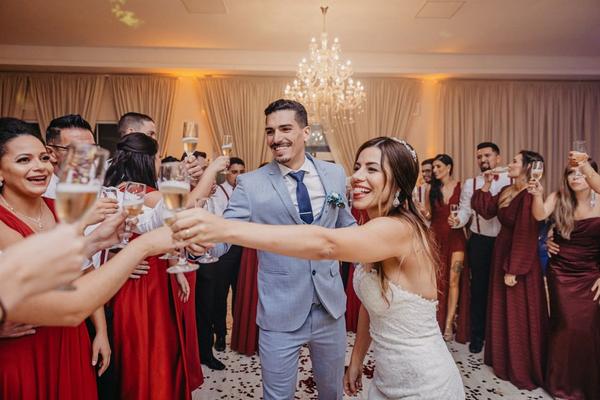
A wedding reception can feel effortless to guests, but that relaxed atmosphere usually comes from careful timing behind the scenes. Dinner service, speeches, cake cutting, first dances, and open dancing all compete for the same limited hours. A clear wedding reception timeline gives the couple room to enjoy the celebration while giving the planner, caterer, photographer, venue team, and DJ a shared sequence to follow.
The aim is not to control every minute. A useful reception order of events protects the moments that matter most, avoids awkward gaps, and leaves enough flexibility for normal delays.
Decide Which Moments Need Fixed Times
Not every reception activity deserves the same level of precision. Dinner service, sunset photos, vendor departure times, and a venue curfew may need firm times, while mingling, dessert, and casual late-night moments can stay flexible. Mark the true time-sensitive items first, then fit the softer moments around them.
This also helps couples avoid an overloaded schedule. If you are adding a private last dance, an outfit change, a cultural performance, or a staged send-off, decide which existing activity will give up time. Adding events without making room for them usually steals time from dinner or open dancing. Treat the timeline as a fixed container rather than an endlessly expandable list.
Start With the End Time and Work Backward
Confirm when the reception must finish before choosing the time for dinner or dancing. Venue rules, transport bookings, bar service, and vendor coverage may create a firm end time. Then work backward. If the party ends at 11:00 p.m. and you want two solid hours of dancing, try to finish the major formalities by about 9:00 p.m.
This backward approach helps prevent a common problem: adding traditions one by one until open dancing is squeezed into the final hour.
A Practical Wedding Reception Schedule
A four-to-five-hour reception often moves through cocktail time, introductions, dinner, toasts, cake, formal dances, open dancing, and a final send-off. Your wedding reception schedule can shift depending on the meal style, guest count, cultural traditions, photography plans, and how many people will speak.
Cocktail Hour and Guest Arrival
Allow roughly 45 to 60 minutes for guests to arrive, mingle, find refreshments, and move toward their seats. This period also gives the couple time for portraits if needed. If the ceremony and reception are in different locations, account for realistic travel and parking time rather than assuming everyone will arrive together.
Grand Entrance and Welcome
Keep introductions and the welcome concise. About 10 to 15 minutes is usually enough for the wedding party entrance, the couple’s entrance, and a short welcome before dinner. Long introductions can delay food service and make hungry guests restless.
Dinner Service
Dinner usually needs the largest uninterrupted block. Ask the caterer how much time service requires for your guest count and meal format. A plated meal, buffet, and family-style dinner all move differently. As a planning range, many couples reserve about 60 to 90 minutes for the meal.
Coordinate the dinner and toast timeline with the catering team. If speeches happen while guests eat, staff may need to pause noisy clearing during important remarks. If speeches happen after dinner, have the emcee ready so there is not a long dead period after the last plates are collected.
Toasts and Speeches
Three or four planned speakers are easier to manage than an open microphone. Ask speakers to keep remarks focused, and give the DJ or emcee the exact speaking order. Before announcing the first toast, the coordinator should quickly confirm that every speaker is actually in the room.
If many relatives or friends want to speak, move some remarks to the rehearsal dinner or another gathering. That protects the reception schedule without excluding people who want to share something meaningful.
Cake Cutting and Formal Dances
Cake cutting works naturally after dinner and speeches because it marks the transition from dining to the party. The first dance and parent dances can follow, allowing the DJ to move directly into open dancing.
Check photography coverage before finalizing these moments. If the photographer leaves before the reception ends, schedule cake cutting and formal dances while coverage is still active. This belongs on any practical reception planning checklist.
Protect Open Dancing From Repeated Interruptions
Once the dance floor opens, avoid stopping it every 20 minutes for another formality. Repeated pauses can drain the energy from the room. Whenever possible, finish speeches, cake cutting, and formal dances first, then give guests a long uninterrupted dance block.
Late-night snacks, dessert service, and a final bar call can usually happen without stopping the music. The result feels less programmed even though the evening is carefully organized.
Build Small Buffers Into Major Transitions
Real weddings rarely run to the exact minute. Add five to ten minutes around major transitions, especially before dinner, speeches, and formal dances. Those small cushions absorb ordinary delays such as guests taking their seats, family members being located, or staff resetting the room.
For example, imagine dinner is planned for 6:45 p.m. but portraits finish ten minutes late. A schedule with breathing room can absorb that delay without pushing every later event back. A schedule with no buffer may turn the same small delay into rushed speeches and a shortened dance floor.
Share One Final Timeline With Every Key Vendor
The planner, venue manager, caterer, photographer, videographer, DJ or band, and transport provider should all receive the same final version. Each vendor sees timing differently: the caterer protects food service, the photographer watches light and coverage hours, and the DJ manages room energy. A shared plan helps those needs work together.
Useful related planning topics for internal links include wedding ceremony timeline, wedding day checklist, and wedding photography timeline.
FAQ
How long should a wedding reception last?
Many receptions run for about four to five hours, but there is no required length. Venue restrictions, traditions, guest count, meal service, and entertainment plans should determine the schedule.
Should speeches happen before or after dinner?
Either option can work. Speeches during dinner save time, while speeches after dinner may get more attention. Coordinate with catering so service noise does not compete with the speakers.
When should the first dance happen?
It can happen immediately after the couple enters or after dinner and speeches. If you want the dance floor to stay active once it opens, grouping the first dance with the other formalities beforehand often creates the smoothest transition.
How much buffer time should be included?
Five to ten minutes around major transitions is a practical starting point. Add more when travel, outfit changes, extended family photos, or several cultural traditions are part of the evening.
Keep the Evening Structured, Not Rigid
A good wedding reception timeline is a guide for the people running the event, not a stopwatch for the couple. Prioritize the moments you care about, group formalities logically, protect dinner service, and reserve a generous stretch for dancing. With a clear plan and a little flexibility, the reception can stay on time without feeling rushed. That structure also gives vendors clear cues, which reduces rushed transitions and helps guests experience the evening as one continuous celebration rather than disconnected announcements overall.