
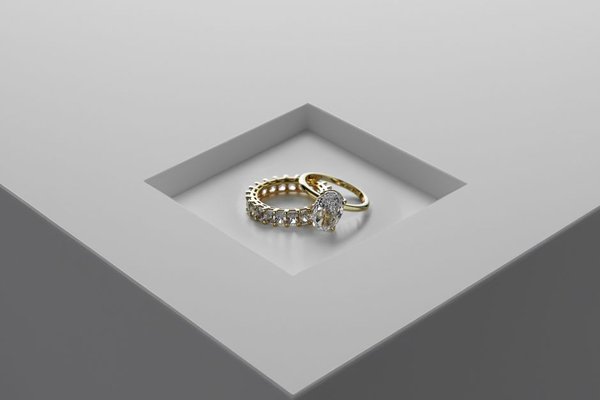
An engagement ring setting does far more than hold a stone in place. It changes how exposed the centre stone feels, how much metal you see, how easy the ring is to clean and how confidently it can handle everyday wear. Two rings with the same diamond can look dramatically different simply because the settings frame the stone in different ways. That is why comparing engagement ring settings is worth doing before you become attached to one particular look.
What does an engagement ring setting actually do?
The setting is the part of the ring that secures and presents the gemstone. The wider metal framework may also be called the mounting, while the head is the section that holds the centre stone. Different ring setting types balance visibility and protection differently. A more open setting can show more of a diamond, while surrounding metal can protect vulnerable edges and reduce snagging.
There is no single best option. The right choice depends on the stone shape, the wearer’s routine, preferred appearance and willingness to keep up with inspections and cleaning.
Prong settings: classic, open and versatile
Prong settings use small metal supports that bend over the gemstone to hold it in place. Four- and six-prong designs are especially common for solitaire rings. Because relatively little metal surrounds the stone, prongs create an airy look and keep much of the diamond visible.
Six prongs generally offer more security than four because the stone has additional points of support. Four prongs can reveal slightly more of the outline and may suit smaller stones where too much metal would feel visually heavy. Prongs need periodic checking because they can wear, bend or catch on clothing over time.
Who is a prong setting best for?
It suits buyers who want a traditional engagement-ring appearance and strong visual emphasis on the centre stone. If the wearer works frequently with gloves, does hands-on work or often knocks rings against hard surfaces, a lower-profile option may be more practical.
Bezel settings: smooth edges and strong protection
A bezel surrounds all or part of the stone’s perimeter with a rim of metal. Full bezels are among the more protective diamond settings because they shield the girdle and help reduce the chance of the stone catching on fabrics. They also create a sleek, contemporary outline.
The trade-off is visual: more metal covers the edge of the gemstone, so the ring can look less delicate than an open prong design. Bezels are particularly useful for active lifestyles and for shapes with vulnerable points or corners when the design protects those areas. A partial bezel can offer a middle ground.
Halo settings: extra presence and sparkle
A halo places a border of smaller stones around the centre gem. This can make the centre appear larger from a normal viewing distance and adds sparkle across a wider area. Halos can be subtle or bold, with single, double or shaped surrounds.
The extra stones also mean extra maintenance. Tiny setting components can wear, and grime can collect around closely set diamonds. Routine professional checks are sensible, especially if the ring is worn every day.
Pave, channel and tension settings
Pave uses many small stones set closely into the metal, creating a glittering surface. It is often used on the shoulders of an engagement ring or around a halo. The effect is refined, but very fine pave can be more demanding to resize or repair than a plain band.
Channel setting places small stones edge to edge between two parallel metal walls. Because the stones sit within the channel, the surface can feel smoother than exposed prongs. Tension settings take another approach, holding the centre stone between opposing sides of the metal so it appears suspended. The look is striking but requires specialised engineering.
Security, sparkle and upkeep: how to make the trade-off
Think of secure ring settings as a spectrum rather than a ranking. A well-made bezel offers substantial edge protection, while a well-maintained six-prong head offers strong support with a more open appearance. Halo and pave designs add visual impact but introduce more small stones and setting points to inspect.
Consider someone who works in healthcare and repeatedly puts on and removes gloves. A high prong-set ring with an elaborate halo may catch more easily, whereas a smooth, lower-profile bezel can be easier to live with. By contrast, someone who removes the ring for sport and manual work may happily choose a raised solitaire because the open presentation matters more.
Stone shape matters too. Pointed tips on pear, marquise and heart shapes, as well as exposed corners on some square cuts, deserve thoughtful protection through well-positioned prongs, V-prongs or a bezel. The setting should support the stone’s actual geometry, not merely match a photograph.
Questions to ask before choosing
Ask how high the stone sits, whether the ring catches on clothing, how often the prongs or small stones should be inspected, whether the design can be resized and how a wedding band will sit beside it. Try the ring from the side, not just from above; profile height can make a noticeable difference to daily comfort.
Useful next reads include diamond shapes for engagement rings, how to choose an engagement ring, and engagement ring care.
Frequently asked questions
What is the most secure engagement ring setting?
A full bezel is generally one of the most protective choices because metal surrounds the stone’s edge. Six-prong settings can also provide strong security while exposing more of the gemstone. The best option still depends on the stone shape, workmanship and how the ring is worn.
Do prong settings make diamonds sparkle more?
Prongs expose more of the stone than many enclosed settings, which can create a lighter, more open appearance. However, a diamond’s sparkle depends primarily on its cut quality, cleanliness and lighting rather than simply on the number of prongs.
Is a halo setting hard to maintain?
Not necessarily, but it usually needs more attention than a plain solitaire because it contains multiple small stones and tiny setting components. Regular cleaning and periodic jeweller inspections help keep a halo secure and bright.
Should an active person avoid a raised setting?
A very active wearer may find a low-profile bezel or another smooth mounting more practical because it is less likely to snag or receive direct knocks. Removing a raised ring for exercise, gardening or heavy manual tasks can reduce unnecessary wear.
Choosing the setting that fits real life
The best engagement ring setting is the one that makes the stone look beautiful without asking the wearer to ignore how they actually use their hands. Prongs offer a timeless, open presentation; bezels emphasise protection and smoothness; halos and pave bring extra brilliance; channels create controlled sparkle along the band. Compare them on the hand, look at the ring from every angle and ask how it will be maintained over the years. A setting chosen for both appearance and lifestyle is far more likely to remain satisfying long after the proposal.