
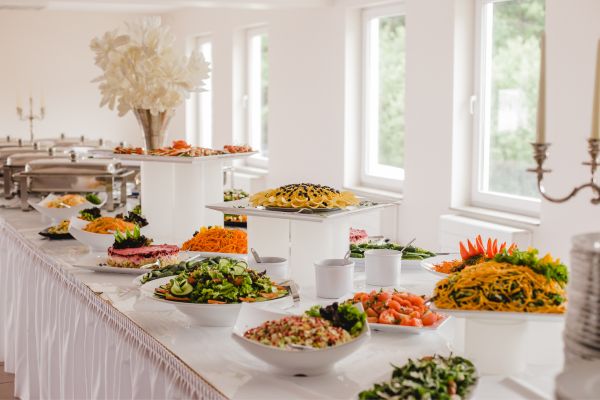
Wedding food has a way of shaping the entire feeling of a celebration. Guests may remember the vows, the flowers, the music, and the first dance, but they also remember the meal: the warmth of shared dishes, the flavor of seasonal ingredients, the late-night dessert, the small glass raised during a toast. For couples who care about celebrating with less waste and more intention, eco-friendly wedding catering options can make the day feel not only beautiful but also thoughtful.
Sustainable catering is not about making a wedding feel plain, limited, or overly serious. In many cases, it makes the meal more personal. Food becomes connected to the season, the region, the people preparing it, and the values behind the celebration. Instead of choosing a menu only for appearance or tradition, couples can think about where the ingredients come from, how much food is needed, what happens to leftovers, and how the meal fits into the larger story of the day.
What Eco-Friendly Wedding Catering Really Means
Eco-friendly wedding catering is about reducing the environmental impact of the wedding meal without losing comfort, flavor, or hospitality. It can include local ingredients, seasonal menus, plant-forward dishes, low-waste serving styles, reusable tableware, composting, responsible sourcing, and thoughtful planning around portions.
The idea is simple, but the details matter. A wedding meal can create waste in many ways: excess food, disposable plates, plastic packaging, imported ingredients, bottled drinks, and decorations that are used once and thrown away. Sustainable catering looks at these areas gently and practically. It asks what can be improved without making the celebration feel complicated.
For some couples, that may mean serving a fully vegetarian menu. For others, it may mean choosing local produce, reducing single-use plastics, or donating untouched leftover food where local rules allow. There is no single perfect version. The best approach is usually the one that feels realistic, meaningful, and well suited to the wedding itself.
Seasonal Menus with a Sense of Place
One of the most natural ways to make a wedding meal more sustainable is to choose seasonal food. Seasonal ingredients usually require less long-distance transport and often taste better because they are harvested closer to their natural peak. There is also something charming about a menu that reflects the time of year.
A spring wedding might feature asparagus, peas, herbs, tender greens, strawberries, or citrus. Summer brings tomatoes, stone fruits, berries, sweet corn, and fresh salads. Autumn menus can feel rich with squash, mushrooms, apples, pears, root vegetables, and warm spices. Winter weddings may lean into roasted vegetables, hearty grains, citrus, dark greens, and comforting soups.
Seasonal food gives the meal a grounded feeling. It reminds guests where they are and when the celebration is taking place. A summer dinner with ripe tomatoes and basil feels different from a winter table with roasted carrots and warm bread. Both can be elegant. Both can be memorable. The key is letting the season lead rather than forcing a menu that does not belong.
Local Ingredients and Shorter Food Journeys
Choosing local ingredients is another thoughtful step. Food that travels shorter distances generally has a smaller transport footprint, and it can also support regional growers and producers. More importantly, local food often brings freshness and character to the table.
A locally inspired wedding menu might include farm vegetables, regional cheeses, nearby honey, fresh herbs, orchard fruit, or bread from a local bakery. It does not have to feel rustic unless that is the desired mood. Local ingredients can be used in refined, modern, traditional, or relaxed menus.
There is also an emotional quality to local food. A wedding is already tied to place, whether it happens in a garden, a family home, a countryside venue, or a small city restaurant. When the meal reflects that place, it feels more connected. Guests are not just eating a generic wedding dinner. They are tasting something that belongs to the setting.
Plant-Forward Menus That Feel Generous
Plant-forward catering has become one of the most popular eco-friendly wedding catering options, and for good reason. Meals centered around vegetables, legumes, grains, fruits, nuts, seeds, and herbs can reduce reliance on resource-heavy ingredients while still feeling abundant and satisfying.
A plant-forward menu does not have to mean a strictly vegan or vegetarian wedding, though it can. It might simply mean offering more vegetable-based dishes and treating meat or seafood as a smaller part of the meal rather than the main focus. This approach can work beautifully for couples who want balance without feeling restricted.
Think of roasted cauliflower with tahini and herbs, mushroom risotto, grilled vegetable platters, lentil and herb salads, stuffed peppers, fresh pasta with seasonal greens, or fragrant rice dishes with nuts and dried fruit. These foods can feel colorful, filling, and celebratory. When prepared with care, they never feel like an afterthought.
For a fully vegetarian or vegan wedding, variety is especially important. Guests should feel like they are enjoying a complete meal, not simply replacing meat with one basic option. Layers of flavor, texture, and color make all the difference.
Responsible Meat, Seafood, and Dairy Choices
Not every sustainable wedding menu needs to avoid animal products entirely. Some couples prefer to include meat, seafood, or dairy while making more mindful choices. In that case, sourcing becomes important.
Smaller portions of carefully sourced meat can be a more thoughtful choice than large servings of lower-quality options. The same applies to dairy, eggs, and seafood. Couples may choose dishes that use these ingredients with intention rather than building the entire menu around them.
Seafood requires extra care because sustainability can vary widely depending on species, location, and fishing method. A good menu avoids choices that are overfished or sourced in damaging ways. With dairy, regional cheeses or small-batch products can add character without overwhelming the meal.
This kind of balance feels very natural at weddings. A menu can include one rich, traditional dish while still offering plenty of vegetable-forward sides, salads, grains, and seasonal produce. Sustainability does not have to remove pleasure from the table. It simply asks for more awareness.
Reducing Food Waste with Smarter Planning
Food waste is one of the biggest issues in wedding catering. Because couples want guests to feel well fed, it is easy to over-order. Large buffets, multiple courses, late-night snacks, and dessert tables can create more food than people can realistically eat.
The solution is not to serve too little. It is to plan more carefully. Guest count, serving style, timing, and menu variety all influence how much food is needed. A seated meal often allows for better portion control, while buffets can work well when quantities are managed thoughtfully. Family-style meals can feel warm and generous, though they also need careful planning to avoid oversized platters going untouched.
Leftovers should be considered before the wedding day, not after. Some venues and caterers may have rules about what can be donated or taken home, especially for health and safety reasons. When donation is allowed, untouched food can sometimes be shared with local organizations. Composting food scraps is another helpful option, particularly for fruit peels, vegetable trimmings, and other organic waste.
Even small changes matter. Choosing fewer menu items, serving realistic portions, and avoiding duplicate dessert displays can reduce waste without guests noticing anything missing.
Thoughtful Serving Styles for Sustainable Weddings
The way food is served can affect both waste and atmosphere. A plated dinner may create less excess because portions are controlled in advance. It also feels formal and calm, which works well for elegant evening weddings. Family-style service creates a sense of closeness, with guests passing dishes and sharing food at the table. It can be especially lovely for intimate weddings or outdoor receptions.
Buffets are flexible, but they need careful design. Smaller serving trays that are refreshed as needed can reduce the amount of food sitting out. Clearly labeled dishes can also help guests choose what they actually want, especially when there are vegetarian, vegan, gluten-free, or allergy-conscious options.
Cocktail-style receptions can be sustainable when the menu is planned with balance. Small bites should be easy to eat and not overly packaged. Instead of dozens of tiny disposable containers, food can be served on reusable trays, ceramic spoons, or compostable materials where appropriate.
The best serving style is one that suits the wedding mood while keeping waste in mind. Sustainability works best when it feels woven into the experience rather than added awkwardly.
Reusable Tableware and Low-Waste Details
Food is only part of the catering story. Plates, cutlery, napkins, glasses, straws, coffee cups, and takeaway containers also matter. Reusable tableware is usually the most elegant and low-waste option. Real plates, metal cutlery, cloth napkins, and glassware instantly make a meal feel more polished.
For outdoor or casual weddings where reusable items are difficult, compostable or biodegradable alternatives may be considered. Still, these work best when there is proper composting available. Otherwise, they may end up in regular waste. This is why planning disposal systems matters as much as choosing the materials.
Water service is another detail worth considering. Instead of individual plastic bottles, couples can choose water stations, glass pitchers, or refillable dispensers. Drinks can be served in real glassware, and garnishes can be simple and edible rather than wasteful.
Small choices like these rarely distract from the celebration. In fact, they often make the setting feel more refined. A table with cloth napkins and simple glassware usually looks better than one filled with disposable items.
Drinks, Desserts, and Late-Night Snacks with Less Waste
Sustainable catering extends beyond the main meal. Drinks can create a surprising amount of waste, especially when everything is individually bottled or canned. Batch cocktails, local wines, regional beers, infused water, and self-serve drink stations can reduce packaging while still giving guests variety.
Desserts can also be planned thoughtfully. Instead of a huge dessert table that looks impressive but goes half-eaten, couples might choose a smaller cake with a few carefully selected sweets. Seasonal fruit desserts, mini tarts, cookies, or family-style puddings can feel charming and personal.
Late-night snacks are fun, but they should match the actual flow of the event. If dinner is late and filling, guests may not need much more. If the reception runs long, simple snacks made in realistic quantities can work beautifully. The goal is to offer hospitality without creating piles of untouched food at the end of the night.
Making Sustainability Feel Beautiful
One of the nicest things about sustainable wedding catering is that it often leads to a more natural and beautiful experience. Seasonal produce brings color. Local ingredients bring freshness. Reusable tableware brings texture and elegance. Thoughtful portions make the meal feel composed rather than excessive.
The style can be rustic, modern, romantic, formal, or relaxed. Sustainability does not belong to one wedding aesthetic. A candlelit dinner with local vegetables and ceramic plates can be just as eco-conscious as a garden picnic with compostable materials and fruit-forward desserts.
What matters most is intention. A sustainable meal feels considered. It avoids waste where possible, respects the ingredients, and gives guests food that feels connected to the day.
Conclusion
Eco-friendly wedding catering options allow couples to celebrate with beauty, flavor, and care. From seasonal menus and local ingredients to plant-forward dishes, reusable tableware, and thoughtful waste reduction, sustainable choices can make a wedding meal feel more meaningful without making it feel less festive.
A wedding does not need excess to feel generous. Often, the most memorable meals are the ones that feel honest, well planned, and connected to the people and place around them. When catering is approached with that kind of attention, it becomes more than food on a plate. It becomes part of the celebration’s values, its atmosphere, and its lasting memory.