
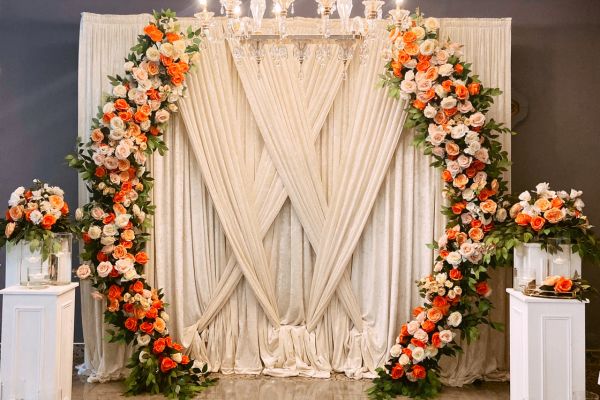
A destination wedding carries a different kind of energy. Guests travel with anticipation, families spend more time together, landscapes become part of the celebration, and the couple often feels suspended between event and adventure. Whether the setting is a beach, mountain lodge, vineyard, historic city, or tropical island, the location adds atmosphere that ordinary venues cannot replicate.
That beauty, however, also brings challenges. Unfamiliar light, changing weather, travel logistics, tight schedules, and emotional expectations can test even experienced photographers. That is why practical destination wedding photography tips matter so much. Stunning images usually come from preparation, adaptability, and an ability to tell the story of both people and place.
The goal is not simply to prove where the wedding happened. It is to capture how it felt there.
Understand the Destination Before You Arrive
Beautiful images often begin long before the camera comes out. Research the location carefully.
Study weather patterns, sunrise and sunset times, seasonal crowds, local architecture, terrain, and common lighting conditions. A beach wedding at midday creates different problems than a forest ceremony in late afternoon. Mountain locations may involve thin air, rapid weather shifts, or difficult transport.
Knowing these details early helps shape realistic plans instead of reactive ones.
Visit Key Locations in Advance
If time allows, scout the venue and surrounding areas before the wedding day. Walk ceremony spaces, note portrait locations, observe light direction, and identify shaded backups.
Sometimes the obvious location is not the best one. A famous viewpoint may be crowded or harshly lit, while a quiet side path nearby offers softer light and privacy.
Some of the best destination wedding photography tips are simple habits, and scouting is one of them.
Build Time Into the Schedule
Destination weddings often run on relaxed energy until they suddenly run late. Guests linger, transport delays happen, weather shifts, and unfamiliar logistics slow movement.
Encourage generous buffers in the timeline, especially for portraits, travel between spots, and sunset sessions. Rushed photography usually looks rushed.
Time is one of the most valuable creative tools a photographer can have.
Use the Landscape as Character
The destination should feel present, not merely decorative.
Wide shots that show coastline, mountains, city streets, gardens, desert horizons, or dramatic skies help establish context. Then balance them with tighter emotional moments.
Think cinematically. A sweeping frame tells where the story happened. A close-up tells why it mattered.
Strong galleries often alternate between intimacy and scale.
Prioritize the Couple Over the Scenery
It is easy to become distracted by a spectacular location. But even the most stunning background should support the couple rather than overpower them.
Use composition carefully. Place people where the environment frames rather than swallows them. Watch horizon lines, bright distractions, and clutter behind subjects.
A breathtaking landscape without emotional connection becomes travel photography. Wedding photography needs both.
Master Harsh Sunlight
Many destination weddings happen in bright climates where midday sun is intense. Beaches, white stone venues, and reflective water can create difficult contrast quickly.
Look for open shade when possible. Use backlighting thoughtfully. Adjust angles to protect skin tones and expressions. Sometimes moving just a few steps changes everything.
Natural light can be beautiful, but it is not always gentle.
Be Ready for Weather Changes
Rain, wind, humidity, mist, heat, and sudden cloud cover are common travel companions. Rather than fearing them, learn to work with them.
Wind can animate dresses and veils beautifully. Clouds can soften portraits. Light rain may create romantic mood if everyone remains comfortable and safe.
Preparation matters here: protective gear, towels, lens cloths, backup plans, and calm communication go a long way.
Pack Smart and Redundantly
Travel introduces risk. Lost luggage, delayed flights, damaged gear, and power issues can happen.
Carry critical camera bodies, lenses, batteries, memory cards, chargers, and essential accessories in hand luggage whenever possible. Duplicate key items if practical. Keep backups organized.
Among all destination wedding photography tips, this one may save the entire assignment.
Learn Local Etiquette and Restrictions
Some destinations have religious customs, photography rules, permit requirements, drone restrictions, or cultural expectations around dress and behavior.
Respecting local norms is not only professional—it often improves cooperation and access. Speak with planners, coordinators, or local contacts in advance.
Being talented with a camera does not replace being considerate in someone else’s environment.
Capture the Full Travel Story
Destination weddings often include more than the ceremony day. Welcome dinners, excursions, morning coffee views, family reunions, poolside conversations, and farewell brunches can all hold meaning.
These moments create narrative depth. Guests remember the shared trip as much as the vows.
When possible, documenting surrounding events helps the final collection feel richer and more personal.
Work Light but Intentionally
Dragging excessive gear across sand, stairs, boats, old streets, or remote venues can slow creativity. Destination work often rewards mobility.
Choose versatile lenses, practical lighting tools, and a setup you can move with comfortably. Minimalism does not mean underpreparedness. It means carrying what truly serves the day.
Heavy bags can become invisible stress.
Use Golden Hour Wisely
Sunrise and sunset often produce the most flattering natural light, especially in scenic destinations.
If possible, carve out even fifteen minutes for portraits during golden hour. Warm tones, softer shadows, and calmer atmosphere can transform images.
Couples are often grateful later, even if stepping away briefly felt inconvenient in the moment.
Photograph Guests in Context
Guests often make extraordinary efforts to attend destination weddings. They travel far, spend money, adjust schedules, and bring emotional energy to the celebration.
Capture them enjoying the setting—laughing on terraces, talking under palms, walking cobbled streets, watching the ceremony with ocean behind them.
These frames help preserve the communal side of the trip.
Stay Calm When Plans Shift
Boats run late. Makeup overruns. Rain appears unexpectedly. Ceremony sites move. Sunset hides behind clouds.
A calm photographer can steady the room more than they realize. Flexibility often matters as much as technical skill.
Some of the most memorable images happen after plans change.
Edit with Place in Mind
Post-processing should reflect the destination honestly. Tropical colors may deserve vibrancy. Mountain weddings may suit cleaner tones. Historic city weddings may benefit from subtle warmth or timeless contrast.
Avoid forcing every wedding into the same preset style. Let the place breathe through the edit.
Consistency matters, but personality matters too.
Conclusion
The best destination wedding photography tips revolve around preparation, storytelling, and adaptability. Know the location, protect your gear, respect local culture, use landscape thoughtfully, and stay focused on genuine emotion.
Beautiful destinations provide opportunity, but not the final image. That comes from timing, trust, and attention to people within the place. When done well, destination wedding photographs become more than records of a ceremony—they become memories of love experienced somewhere unforgettable.