
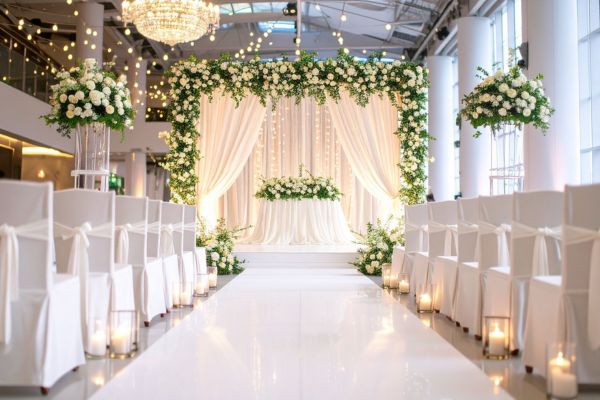
A wedding ceremony often lasts less than thirty minutes, yet it carries the emotional weight of a lifetime. Guests may remember the flowers, the dress, or the music, but the tone of the ceremony itself—how it feels in the moment—often depends on one person: the officiant. Whether you are a seasoned celebrant or stepping into the role for the first time, understanding how to guide the moment with care, confidence, and authenticity makes all the difference. These wedding officiant tips for a perfect ceremony focus on presence, preparation, and human connection rather than scripts or showmanship.
Understanding the Responsibility Behind the Role
Being a wedding officiant is not about delivering lines; it is about holding space. You are there to anchor the couple’s story, calm their nerves, and help everyone in attendance feel the significance of what is unfolding. A ceremony can be simple or elaborate, traditional or modern, but it always deserves intention. Recognizing the responsibility of the role early on helps shape every decision that follows, from how you speak to how you stand.
An officiant who approaches the ceremony with genuine respect naturally earns the trust of the couple and the attention of the guests. This mindset alone sets the foundation for a meaningful experience.
Getting to Know the Couple Beyond the Basics
A perfect ceremony never feels generic. It feels specific, as though it could only belong to the two people standing at the altar. That sense of intimacy comes from taking time to truly know the couple. Beyond names and logistics, learn how they met, what they value, and how they want the ceremony to feel.
Some couples want warmth and humor, while others prefer reverence and simplicity. Listening closely allows you to reflect their personalities in subtle ways—through tone, pacing, and word choice—without turning the ceremony into a performance. These conversations often reveal what matters most to them, which helps you emphasize the right moments on the wedding day.
Crafting a Ceremony That Feels Natural and Personal
Structure matters, but rigidity can drain the life out of a ceremony. A well-crafted ceremony flows smoothly from welcome to vows to pronouncement, yet leaves room for breath and emotion. Avoid overloading the script with excessive readings or explanations. Instead, focus on clarity and intention.
Personalization does not mean oversharing. A brief story or reflection can add warmth, but the ceremony should remain centered on the couple’s commitment rather than a highlight reel of their relationship. One of the most overlooked wedding officiant tips for a perfect ceremony is knowing when to say less and let the moment speak for itself.
Mastering Your Voice, Pacing, and Presence
How you speak matters just as much as what you say. A calm, steady voice reassures the couple and invites guests to settle into the moment. Rushing through the ceremony can make it feel transactional, while dragging it out can dilute its impact. Aim for a pace that feels unhurried but purposeful.
Presence goes beyond voice. Eye contact, posture, and stillness all contribute to how grounded you appear. When you are fully present, small disruptions—wind, background noise, emotional pauses—become part of the experience rather than distractions. Guests take cues from you, and your composure helps maintain the ceremony’s rhythm.
Preparing for the Unexpected Without Overthinking
No wedding unfolds exactly as planned. Rings are forgotten, microphones fail, emotions spill over. Preparation does not mean controlling every variable; it means staying flexible. Familiarize yourself with the ceremony order so well that you can adapt if something changes.
Having a calm response ready for common hiccups can save the moment. A gentle pause, a quiet smile, or a brief adjustment keeps things moving without drawing unnecessary attention. Couples rarely remember small mishaps, but they do remember how gracefully they were handled.
Respecting the Setting and the Audience
Every ceremony exists within a specific context. A beach wedding carries a different energy than a cathedral ceremony, and an intimate backyard gathering feels different from a grand venue. Being aware of the setting helps you adjust your tone and delivery naturally.
The audience matters too. A ceremony that balances accessibility with meaning allows guests from different backgrounds to feel included. Avoid jargon or overly complex language, especially in mixed-faith or nontraditional ceremonies. The goal is not to impress, but to connect.
Honoring Legal and Cultural Considerations
While the emotional side of the ceremony often takes center stage, the legal aspects cannot be ignored. Ensure you understand local requirements, from documentation to wording, well in advance. Handling these details quietly and confidently reassures the couple that everything is in order.
Cultural or religious elements deserve the same level of care. If the ceremony includes traditions unfamiliar to you, take the time to learn their significance. Respectful delivery shows thoughtfulness and prevents moments from feeling awkward or misplaced.
Staying Centered Amid Strong Emotions
Weddings are emotional by nature. Tears, laughter, and nervous energy often surface at unexpected times. An officiant who remains centered allows emotions to unfold without overwhelming the ceremony. Silence can be powerful; you do not need to fill every pause.
If you feel yourself becoming emotional, grounding techniques such as steady breathing or briefly focusing on the couple can help you regain balance. Your role is not to suppress emotion, but to hold it gently so the ceremony remains cohesive.
Ending the Ceremony With Confidence and Grace
The closing moments of a ceremony linger in memory. The pronouncement should feel decisive and celebratory, marking a clear transition from ceremony to celebration. Speak with confidence, allowing the words to land fully before inviting the couple to share their first kiss or walk back down the aisle.
A graceful conclusion signals to guests that the formal moment has ended and something joyful has begun. This sense of completion is an essential part of creating a satisfying experience for everyone present.
Reflecting on the Ceremony Afterward
Once the ceremony is over, take a moment to reflect. What felt right? What could have been smoother? Every wedding offers lessons, even for experienced officiants. Reflection keeps the role meaningful and helps you grow more comfortable with your own style.
The most impactful wedding officiant tips for a perfect ceremony often come from experience rather than instruction. Each ceremony teaches you something new about timing, connection, and the quiet power of words spoken with care.
A Thoughtful Ending to a Meaningful Role
At its heart, a wedding ceremony is about presence. When an officiant approaches the role with respect, empathy, and thoughtful preparation, the ceremony naturally becomes something special. It does not need to be flawless to be perfect; it needs to feel real.
By focusing on the couple, honoring the moment, and staying grounded through every stage, you help create a ceremony that feels true to its purpose. Long after the music fades and the chairs are cleared, that feeling is what remains—and that is the true measure of a perfect ceremony.